What Is A Lithium Battery?
Ultimate Guide 2026
Table of Contents
Quick Answer
A lithium battery is a type of electrochemical battery that uses lithium or lithium compounds as the active material to store and release electrical energy.
It includes primary lithium batteries, which are non-rechargeable, and rechargeable lithium-ion and lithium polymer batteries.
Lithium batteries are widely used because of their high energy density, stable voltage output, and low self-discharge rate. Learn What is Lithium Polymer Battery? 2026 Complete Guide for Lithium Ion Battery
Understand Lithium Battery
Lithium battery batteries work by moving lithium ions between the anode and cathode through an electrolyte during charging and discharging.
When discharging, lithium ions flow from the anode to the cathode, while electrons travel through the external circuit to power a device.
During charging, this process reverses, storing energy by driving lithium ions back into the anode structure.
What are examples of lithium batteries?
Examples of lithium batteries include lithium-ion batteries used in smartphones, laptops, and electric vehicles, and lithium polymer batteries used in drones and wearable devices.
Primary lithium batteries such as 2032 lithium battery coin cells and lithium AA cells are commonly used in watches, medical devices, and sensors.
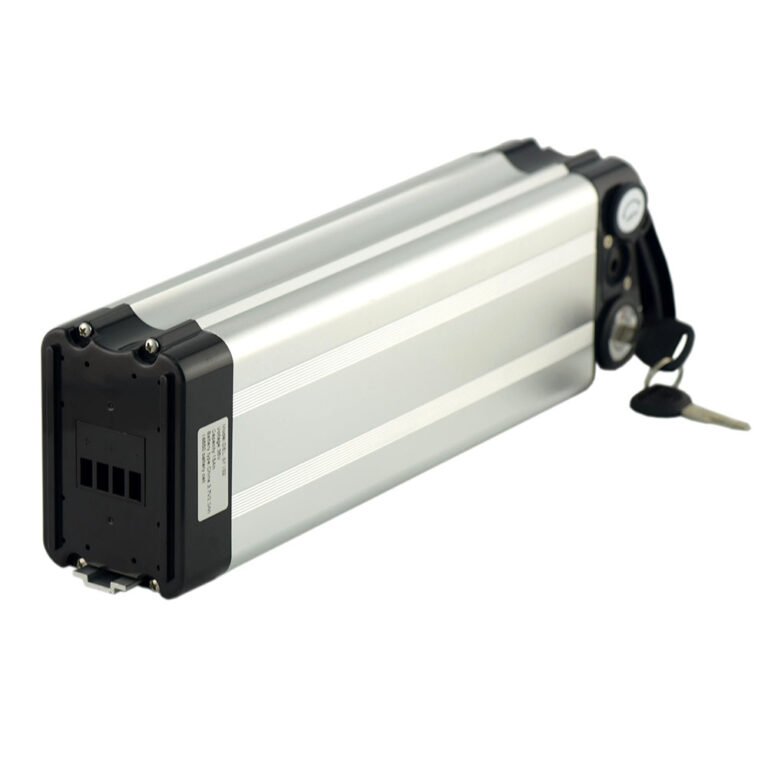
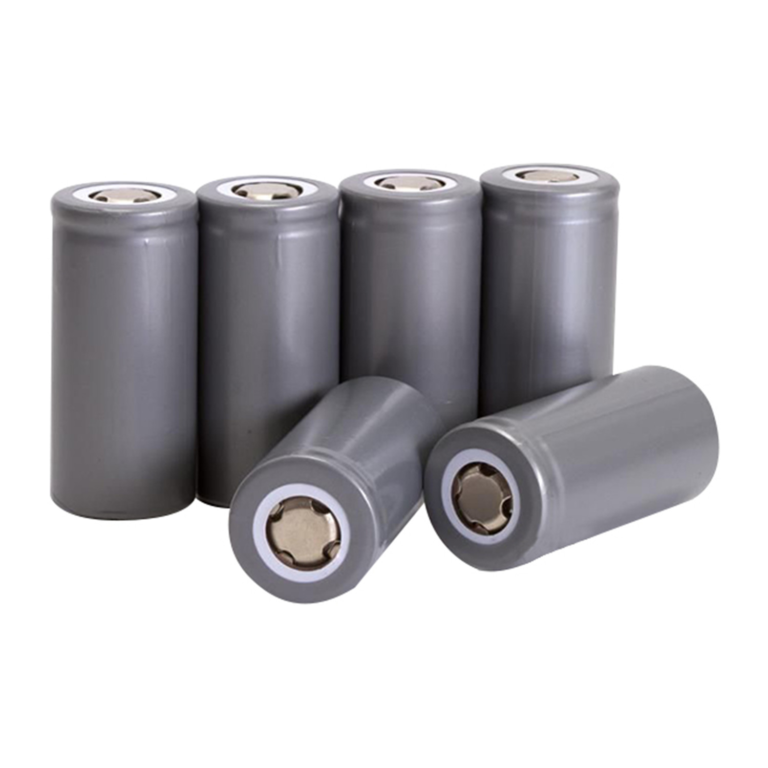
Lithium iron phosphate LiFePO4 batteries are widely used in energy storage systems, electric bikes, and backup power applications.
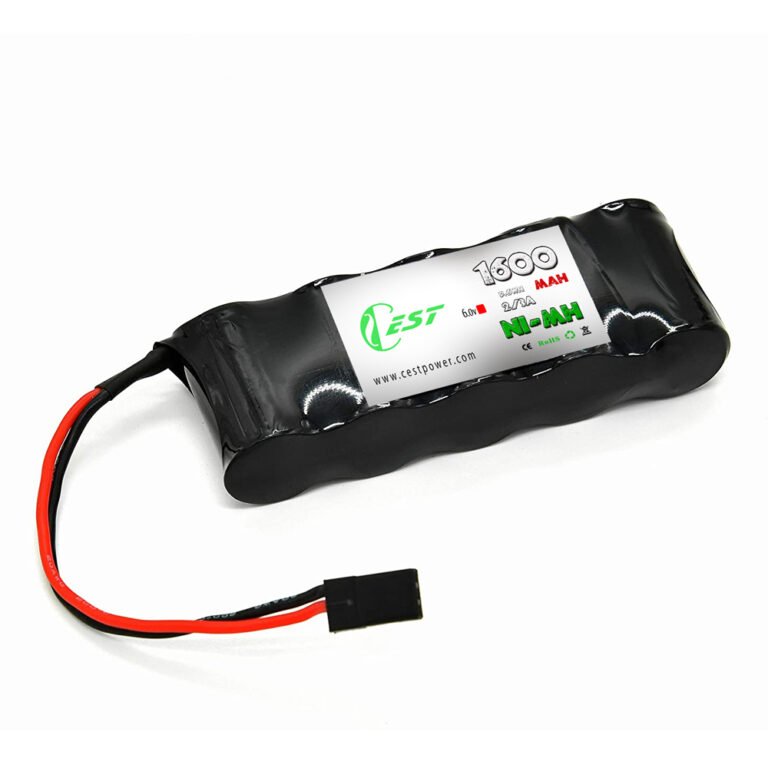
Different Types of Lithium Batteries
What are the pros and cons of LiFePo4 batteries?
LiFePO4 batteries offer high safety, long cycle life, and strong thermal stability compared with many other Lithium battery batteries chemistries.
Their main drawbacks are lower energy density and higher weight and volume for the same capacity.
They are best suited for applications where durability, safety, and frequent cycling matter more than compact size.
Advantages and Disadvantages of Lithium-ion Batteries
Lithium-ion batteries offer high energy density, light weight, and good efficiency, making them ideal for portable electronics and electric vehicles.
Their disadvantages include higher fire risk if damaged or improperly managed, sensitivity to overcharge and high temperatures, and gradual capacity degradation over time.
Safe use depends on quality manufacturing, effective battery management systems, and proper charging practices.
What are the advantages and disadvantages of lithium polymer batteries?
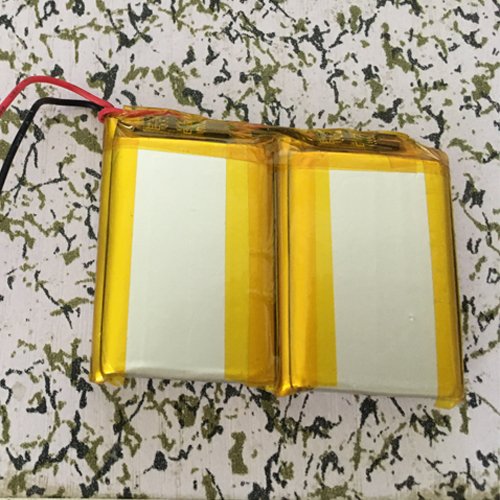
Lithium polymer batteries offer advantages such as lightweight construction, high energy density, and flexible shapes that enable thin and compact device designs.
Their disadvantages include higher sensitivity to overcharging, physical damage, and swelling compared with metal-cased lithium-ion cells. They also typically have shorter cycle life and require stricter protection and handling for safe use.
What is the difference between primary and secondary lithium batteries?
Primary lithium batteries are non-rechargeable and designed for single use, while lithium rechargeable batteries are rechargeable and intended for repeated charge–discharge cycles.
Primary lithium batteries offer long shelf life and stable voltage, whereas lithium rechargeable batteries provide higher power capability and lower cost per cycle.
Examples include CR lithium coin battery for primary lithium and lithium-ion or lithium polymer batteries for secondary lithium systems.
What is difference between alkaline and lithium batteries?
Lithium vs alkaline batteries: The difference between alkaline and lithium batteries depends on chemistry, performance, and use case. Alkaline batteries (zinc–manganese dioxide) are low-cost, non-rechargeable, and suitable for low-drain devices, while lithium batteries (primary lithium or lithium-ion) offer higher energy density, lighter weight, wider temperature tolerance, and longer shelf life. Rechargeable lithium-ion batteries also support hundreds of charge cycles, which alkaline batteries cannot.
How to charge a lithium battery?
Charging lithium batteries deep cycle depends on the battery type: lithium-ion and lithium-polymer batteries must be charged with a dedicated CC-CV charger matched to the battery’s rated voltage (for example, 4.2 V per cell). LiFePO4 lithium battery deep cycle requires a lower charge voltage (about 3.65 V per cell) and a charger designed specifically for LiFePO4 chemistry. Primary lithium batteries (non-rechargeable) must never be charged, as doing so can cause leakage, fire, or explosion.
Storage and Safety
How to store lithium batteries?
Lithium batteries include several types, and storage recommendations vary by chemistry. Lithium-ion (NMC, NCA, LCO) batteries should be stored at 30–50% state of charge in a cool, dry environment to slow aging, while LiFePO4 (LFP) batteries are more stable and can be stored at a slightly wider charge range but still benefit from partial charge and moderate temperatures. Primary lithium batteries (such as lithium metal coin cells) should be stored unused in original packaging, away from heat and moisture, and never mixed loose to prevent short circuits.
Which lithium batteries are dangerous?
Lithium-metal batteries are generally the most dangerous lithium batteries because they contain reactive metallic lithium and can ignite if short-circuited, crushed, or exposed to heat. Among rechargeable types, high-energy lithium-ion batteries with nickel-rich chemistries (such as NCA and high-nickel NMC) have a higher risk of thermal runaway than LiFePO4 lithium battery under abuse conditions. Actual danger depends on factors like battery design, protection circuitry, charging control, and physical damage, not chemistry alone.
Do lithium batteries leak?
Lithium batteries generally do not leak like alkaline batteries, but risk depends on type and condition. Primary lithium batteries can vent gas or electrolyte if over-heated, short-circuited, or physically damaged, while rechargeable lithium-ion and LiFePO4 batteries may swell or rupture instead of leaking liquid. Visible corrosion, odor, or deformation indicates internal failure and the battery should be isolated and disposed of according to local regulations.
Do lithium batteries explode?
Rechargeable lithium batteries can explode, but this is rare and usually caused by specific failure conditions such as internal short circuits, overcharging, physical damage, or exposure to high temperatures that trigger thermal runaway. Properly designed lithium-ion batteries with a battery management system (BMS) and correct chargers are considered safe under normal use. Most incidents occur in low-quality cells, counterfeit batteries, or when batteries are misused or damaged.
How to dispose of lithium batteries?
To dispose of lithium batteries safely, never place them in household trash because they can cause lithium battery fire and environmental harm.
Take used lithium batteries to authorized recycling centers, battery collection points, or local hazardous waste facilities.
Before disposal, tape the terminals and store batteries in a non-metal container to prevent short circuits.
Applications
What has lithium batteries?
Rechargeable lithium batteries are used in consumer electronics (smartphones, laptops, tablets), electric vehicles, energy storage systems, medical devices, power tools, and aerospace equipment. They are chosen for high energy density, low self-discharge, and long cycle life compared with traditional batteries.
How long does the lithium battery last?
Lithium deep cycle battery lifespan depends on battery type and usage: lithium-ion batteries typically last 2–5 years or 300–1,000 charge cycles, while lithium-metal (primary) batteries can last 10–20 years in storage due to very low self-discharge. LiFePO4 batteries usually last longer, about 2,000–5,000 cycles, because of their stable chemistry. Actual service life is strongly affected by temperature, depth of discharge, charge voltage, and storage conditions.
How to choose the right lithium battery?
How to choose the right battery lithium depends on use case: for portable electronics, lithium-ion or lithium-polymer is preferred for high energy density and compact size. For energy storage, solar, or electric vehicles, LiFePO4 batteries are commonly chosen for thermal stability, long cycle life, and predictable voltage. For low-drain, long-shelf-life devices like sensors or meters, primary lithium batteries (such as lithium-thionyl chloride) are more suitable because they are non-rechargeable but last for years.
Where can i buy lithium batteries?
You can buy lithium batteries from electronics retailers, battery specialty stores, and authorized online marketplaces, where product specifications and certifications are clearly listed. Primary lithium batteries (such as CR or AA lithium) are commonly sold in supermarkets and hardware stores, while lithium-ion and LiFePO4 batteries are typically purchased from professional battery suppliers or device manufacturers. For safety and compatibility, always match the battery type, voltage, and size to the device requirements. Discover our range of deep cycle lithium battery
Transportation
How to ship lithium batteries?
It depends on battery type and configuration: lithium-ion and lithium-metal batteries installed in equipment must be packed to prevent movement and short circuits and labeled under UN3481 or UN3091. Standalone lithium batteries are subject to stricter limits on state of charge (typically ≤30% for air transport), quantity, and packaging under UN3480 or UN3090, with IATA/IMDG compliance required. Damaged, defective, or recalled lithium batteries are generally prohibited from air transport and require special approval or ground/sea shipping only.
Can you ship lithium batteries?
Yes, lithium batteries can be shipped, but requirements vary by type (lithium-ion vs. lithium metal), capacity, and whether they are shipped alone or with equipment, Cestpower holds full transport certifications for air, sea, road, and rail, enabling compliant and safe shipment of lithium batteries worldwide (include lithium batteries spain). Request complete documents for transportation
Frequently Asked Questions
Lithium batteries contain a lithium-based cathode, a carbon (graphite) anode, a lithium-salt electrolyte, a porous separator, and current collectors, with exact materials varying by battery chemistry.
No—not all batteries are lithium-based; common alternatives include alkaline, zinc-carbon, nickel-metal hydride (NiMH), nickel-cadmium (NiCd), and lead-acid batteries, each using different chemistries.
You can tell if you have lithium batteries by checking the label for terms like “lithium,” “Li-ion,” “LiFePO₄,” or “CR,” noting higher nominal voltages (3–3.7 V per cell), and verifying the chemistry in the device manual or manufacturer datasheet.
No—an AA battery is not inherently a battery lithium; AA refers only to size, and while most AAs are alkaline or NiMH, some lithium AA cells (usually lithium ion, lithium primary, Li-FeS₂) do exist.
Some lithium batteries are rechargeable and some are not—lithium-ion and LiFePO4 cells are rechargeable, while primary lithium batteries (such as CR coin cells) are single-use and not designed to be recharged.
Yes—lithium batteries last longer than alkaline or NiMH in high-drain devices and over many recharge cycles, but in low-drain, infrequently used devices, alkaline batteries can last just as long or longer in shelf life.
Common household items with lithium batteries include smartphones, laptops, tablets, power banks, cordless tools, smartwatches, wireless earbuds, cameras, and some smoke detectors, which typically use lithium-ion or lithium primary cells.
The odds of a lithium battery exploding are very low under normal use, but the risk increases significantly with manufacturing defects, physical damage, overheating, overcharging, or use of incompatible chargers.
Yes—lithium batteries can catch fire even when not charging if internally damaged, short-circuited, overheated, or defective, though the risk is very low under normal storage and use conditions.
Lithium batteries catch fire when thermal runaway is triggered by overcharging, internal short circuits, physical damage, overheating, or manufacturing defects, causing rapid heat release and flammable electrolyte ignition.
Yes—lithium batteries can and should be recycled through authorized battery recycling programs to recover valuable materials and prevent fire and environmental hazards.
Neither is inherently better—a lithium battery refers to the chemistry, while a high-capacity battery describes energy size, so the best choice depends on whether you need lighter weight, higher efficiency (lithium) or simply more total runtime at a given size.
Yes—you can ship lithium batteries by mail, but they must comply with postal and carrier regulations (such as proper packaging, labeling, quantity limits, and restrictions for air transport), which vary by battery type and destination.