What is LiFePO4 battery?
Table of Contents
Quick Answer
LiFePO4 battery is a lithium iron phosphate battery that uses LiFePO4 as the cathode material in a rechargeable lithium-ion cell. It typically operates at a nominal voltage of about 3.2 V per cell and is known for high thermal stability, long cycle life, and improved safety compared with many other lithium chemistries.
LiFePO4 batteries are commonly used in energy storage systems, electric vehicles, and backup power where durability and safety are critical.
LiFePO4 Chemistry & Safety
What does LiFePO4 stand for?
LiFePO4 stands for lithium iron phosphate, which describes the battery’s cathode chemistry.
“Li” is lithium, “Fe” is iron, “P” is phosphorus, and “O4” represents four oxygen atoms in the phosphate structure.
Is LiFePO4 environmentally friendly?
LiFePO4 batteries are generally more environmentally friendly than many other lithium batteries because they contain no cobalt or nickel, which reduces toxic and ethical sourcing concerns.
Their long cycle life and high durability lower replacement frequency, helping reduce overall battery waste.
However, they still require proper recycling, as lithium and electrolyte materials can cause environmental harm if improperly disposed of.
Discharge Curve
The discharge curve of a LiFePO4 battery is characterized by a long, flat voltage plateau around 3.2–3.3 V per cell during most of the discharge cycle.
This flat curve means the battery delivers nearly constant voltage until it is close to depletion.
Near the end of discharge, the voltage drops sharply, which makes state-of-charge estimation by voltage alone less accurate.

Are LiFePO4 batteries safe?
LiFePO4 batteries are considered one of the safest lithium battery chemistries because of their stable crystal structure and strong resistance to thermal runaway. They tolerate overcharge, high temperatures, and mechanical stress better than many lithium-ion batteries, reducing fire and explosion risk.
Proper battery management systems (BMS), correct charging, and quality manufacturing are still required for safe long-term use.
Can LiFePO4 batteries catch fire?
LiFePO4 batteries have a much lower risk of catching fire compared with other lithium-ion chemistries because their cathode material is thermally and chemically stable.
They are highly resistant to thermal runaway, even under overcharge or high-temperature conditions.
However, fire risk is not zero and can still occur if the battery is physically damaged, improperly charged, or manufactured with defects.
How to charge LiFePO4 battery?
To charge a LiFePO4 battery, use a charger designed for LiFePO4 chemistry with a constant-current/constant-voltage (CC/CV) profile. Charge each cell to about 3.65 V (or follow the manufacturer’s specified pack voltage) and stop charging once current tapers off.
Avoid overcharging, charging below freezing temperatures, or using standard lithium-ion chargers, as these can reduce battery life or safety.
What are the different types of LiFePO4 batteries?
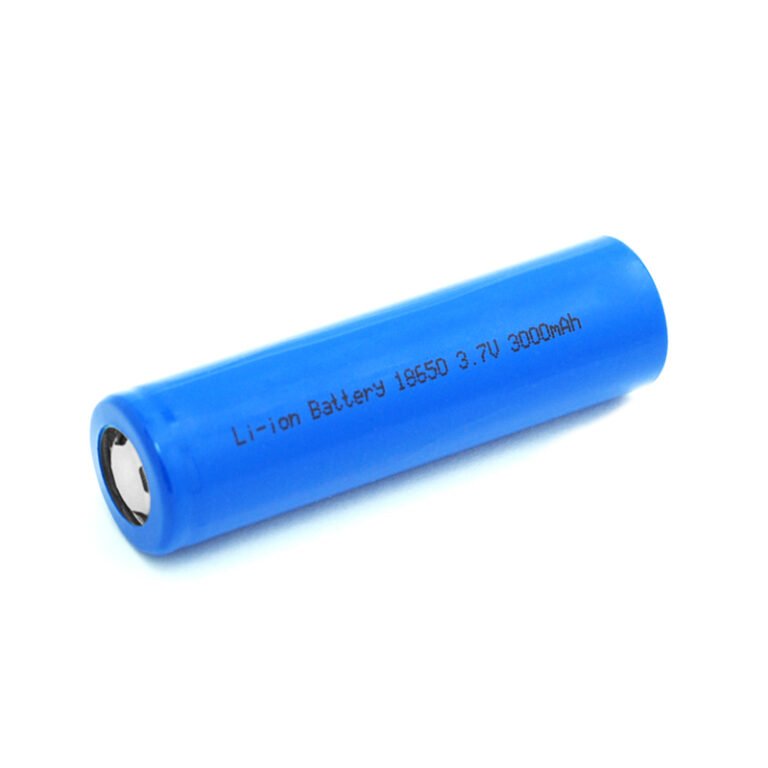
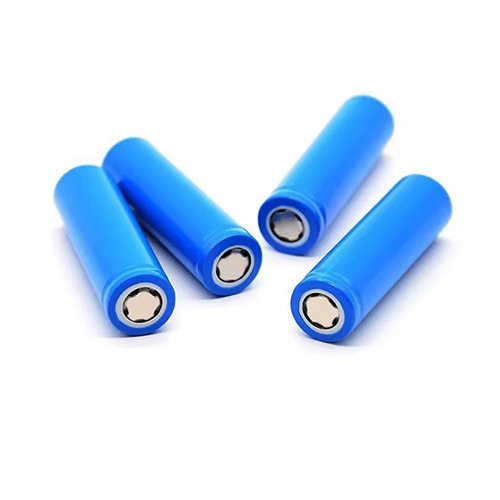
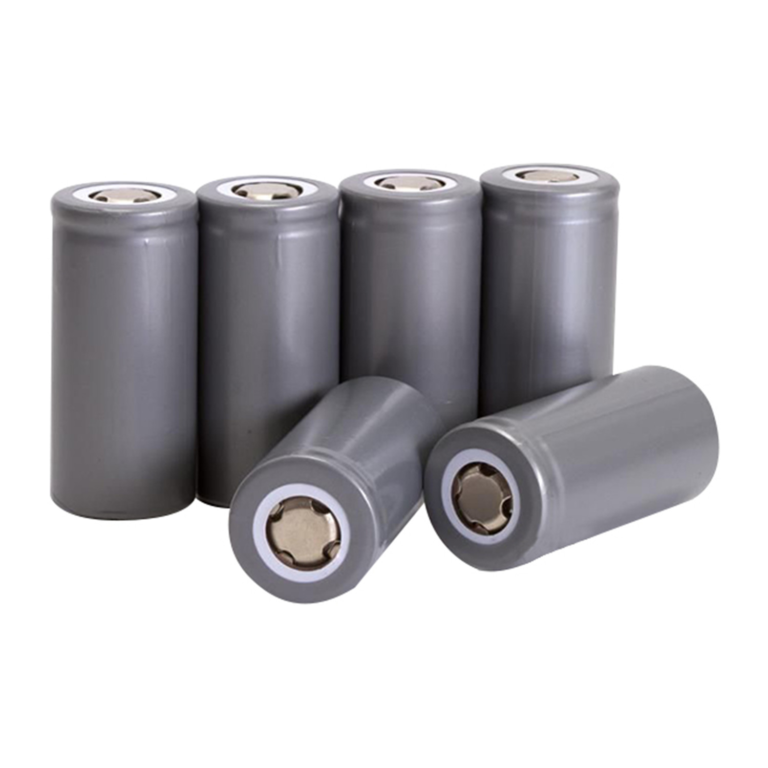
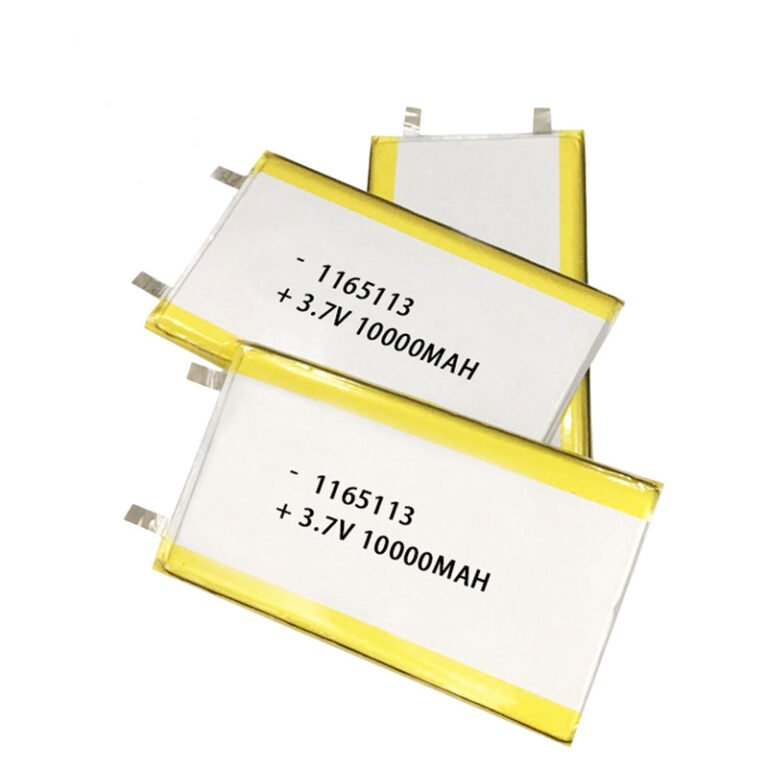
LiFePO4 batteries are available in different formats, including cylindrical cells (such as 18650 and 32700), prismatic cells, and pouch cells.
They are also categorized by application as single cells, battery modules, or complete battery packs with built-in battery management systems (BMS).
Differences mainly relate to physical form, capacity range, current capability, and integration level rather than the core LiFePO4 chemistry itself.
LiFePO4 vs Li ion
LiFePO4 vs Li-ion: LiFePO4 batteries use lithium iron phosphate chemistry, while lithium-ion typically refers to higher-energy chemistries such as NMC or NCA.
Li-ion batteries offer higher energy density and lighter weight, whereas LiFePO4 provides longer cycle life, better thermal stability, and higher intrinsic safety.
LiFePO4 operates at about 3.2 V per cell, compared with ~3.6–3.7 V for standard lithium-ion cells, which affects system design and voltage configuration.
Which is better, lithium-ion or LiFePO4?
Neither lithium-ion nor LiFePO4 is universally better; the choice depends on application requirements.
Lithium-ion batteries offer higher energy density and lighter weight, making them suitable for portable electronics, while LiFePO4 batteries provide longer cycle life, better thermal stability, and higher safety.
For systems prioritizing durability and safety over compact size, LiFePO4 is usually the better option.
What is safer, LiFePO4 or lithium-ion?
LiFePO4 is generally safer than conventional lithium-ion batteries because its cathode chemistry is more thermally stable and less prone to thermal runaway.
It has a higher tolerance to overcharging, high temperatures, and mechanical stress, reducing fire and explosion risk.
Standard lithium-ion batteries offer higher energy density but require stricter protection and thermal management to achieve comparable safety.
Is LiFePO4 cheaper than Li Ion?
LiFePO4 batteries are often cheaper per unit of raw materials and at the cell level than conventional lithium-ion batteries (such as NMC or NCA) because they use iron and phosphate instead of nickel and cobalt. However, at the pack or system level, LiFePO4 is not always cheaper due to its lower energy density, which requires more cells to achieve the same capacity. Overall cost depends on the application, energy requirements, and whether upfront price or lifetime cost (where LiFePO4 often performs better) is being compared.
What are the limitations of LiFePO4?
LiFePO4 batteries have lower energy density than many lithium-ion chemistries, resulting in larger size and heavier weight for the same capacity.
They also have a lower nominal cell voltage (about 3.2 V), which may require more cells in series for high-voltage systems.
Performance can degrade at low temperatures, especially for charging, compared with some other lithium battery types.
LiFePO4 Battery Application
Where are LiFePO4 batteries used?
They are also common in electric vehicles, electric bikes, marine applications, and RVs where thermal stability and durability are critical.
Industrial equipment and off-grid systems use LiFePO4 batteries for reliable performance under high load and frequent cycling.
Which is better, AGM or LiFePO4?
Neither AGM nor LiFePO4 is universally better; the best choice depends on usage requirements and budget.
AGM batteries are lower cost and compatible with traditional lead-acid systems, while LiFePO4 batteries offer much longer cycle life, lighter weight, and higher usable capacity.
For applications requiring frequent cycling, deep discharge, and low maintenance, LiFePO4 is generally the better option.
Can you mix different brands of LiFePO4 batteries?
Mixing different brands of LiFePO4 batteries in the same pack or system is not recommended, even if the rated voltage and capacity appear similar.
Differences in internal resistance, cell matching, BMS design, and aging behavior can cause imbalance during charging and discharging.
For safe operation and consistent performance, use LiFePO4 batteries of the same brand, model, capacity, and production batch whenever possible.
Simple FAQ
Yes—LiFePO4 batteries require a charger designed for LiFePO4 chemistry, using a CC-CV profile with a lower charge voltage (~3.6–3.65 V per cell) and no float stage, because standard lead-acid or Li-ion chargers use incompatible voltage setpoints.
To charge a LiFePO4 battery with solar, use a solar charge controller (preferably MPPT) set to LiFePO4 voltage limits—typically ~3.6–3.65 V per cell with no float or equalization—so the battery is charged safely and efficiently.
Yes—LiFePO4 (lithium iron phosphate) is a type of lithium-ion battery, distinguished by its phosphate cathode, lower nominal voltage (~3.2 V per cell), and higher thermal and cycle stability compared with other lithium-ion chemistries.
Yes—LiFePO4 batteries can be connected in parallel to increase capacity and current, provided they are the same voltage, same capacity, same internal resistance, and have compatible BMS limits to ensure balanced and safe operation.
LiFePO₄ batteries should not be fully discharged to 0 V—although they tolerate deeper discharge than other lithium-ion types, regularly stopping around 10–20% state of charge helps protect the cells and extend cycle life.
Yes—LiFePO4 batteries can be stored in cold conditions, but for longevity they should be stored partially charged (about 30–60% SOC) and not charged below 0 °C (32 °F), as cold charging can damage the cells.
Yes—a LiFePO4 battery can be charged while in use (pass-through operation) if the charger, load, and BMS are designed to handle simultaneous charge and discharge safely.
LiFePO4 batteries can be charged to 100% when full capacity is needed, but for everyday use stopping around 90–95% state of charge reduces cell stress and helps extend cycle life.
No—AGM and LiFePO4 batteries should not be mixed in the same bank because their charge voltages, discharge behavior, and internal resistance differ, leading to imbalance, poor performance, and potential damage.