What is Battery?
Discover All About Battery (2026 Edition)
Table of Contents
Quick Answer
A battery is a device that stores chemical energy and converts it into electrical energy to power various electronic devices. Batteries are an essential part of modern life, found in everything from smartphones and laptops to electric vehicles and industrial machinery.
Understand Battery
How does a battery work?
A battery consists of one or more electrochemical cells, each containing an anode (negative electrode), cathode (positive electrode), and an electrolyte. When a circuit is connected, a chemical reaction occurs, allowing electrons to flow from the anode to the cathode, generating electricity.
What is voltage and how to measure?
Battery voltage, measured in Volts (V), represents the **electric potential difference** between a battery’s positive and negative terminals that drives the flow of electrons through a circuit. It is determined by the specific chemical composition of the cells.
It is measured by using a digital multimeter set to DC voltage by placing the probes on the corresponding terminals; the reading reflects the battery’s open-circuit or loaded voltage depending on whether a device is connected. Comparing the measured value with the battery’s nominal and cutoff voltage helps assess state of charge and detect over-discharge or degradation.
What does capacity mean?
Battery capacity refers to the total amount of electrical charge a battery can deliver, typically measured in milliampere-hours (mAh) or ampere-hours (Ah). From an engineering perspective, capacity is defined under specific discharge conditions (current, cutoff voltage, temperature), so actual usable capacity depends on how the device draws power.
What does a high C-rate mean?
A high C-rate means a battery can be charged or discharged at a current much higher than its rated capacity.
It indicates strong power capability, allowing fast charging or high output in demanding applications.
However, operating at high C-rates increases heat and stress, which can shorten battery lifespan if not properly managed.
What is “Energy Density” and why does it matter?
Energy density describes how much electrical energy a battery stores per unit mass or volume, similar to how much fuel fits into a tank of a given size. Higher energy density means longer runtime or smaller, lighter battery packs for the same load, which directly affects product design. It matters because factories select battery chemistry largely on energy density to balance device size, weight, and service life under real use.
What is internal resistance and why it matters?
Internal resistance is the inherent opposition to current flow inside a battery, caused by electrode materials, electrolyte, and internal structure. It matters because higher internal resistance leads to voltage drop under load, reduced usable capacity, heat generation, and poorer high-current performance. Measuring internal resistance helps evaluate battery health, aging, and suitability for applications requiring stable power output.
What are the steps in battery testing?
Battery testing typically starts with a visual inspection for swelling, leakage, or corrosion, followed by measuring open-circuit voltage.
Next, internal resistance and capacity are evaluated using a controlled load or charge-discharge test.
For safety and reliability, results are compared against manufacturer specifications and tested under relevant temperature and load conditions.
Understand Battery Type
There are two main types of batteries: primary (non-rechargeable) batteries and secondary (rechargeable) batteries.
Primary batteries are designed for single use and include chemistries such as alkaline, lithium primary, zinc-air, and silver oxide, offering long shelf life and simple operation.
Secondary batteries can be recharged multiple times and include lithium-ion, NiMH, NiCd, and lead-acid, making them suitable for devices with regular power demand.
The choice between primary and secondary batteries depends on energy consumption, replacement frequency, cost over time, and environmental impact.
Primary Batteries
What are the different types of Primary Batteries?
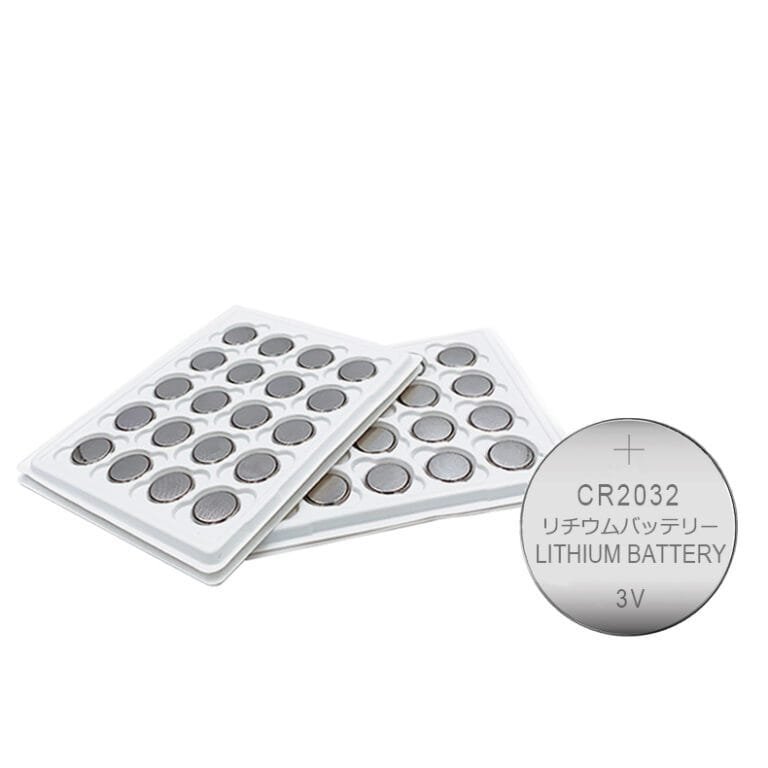
Primary batteries are non-rechargeable cells designed for long shelf life and stable output, much like sealed fuel tanks that are used once and then replaced. The main types are zinc–carbon (low cost, low drain), alkaline (higher capacity and better leakage control), lithium primary (high energy density and wide temperature tolerance), silver oxide (precise voltage for electronics), and zinc-air (high energy density using oxygen from air). Each chemistry is optimized for a different balance of energy density, discharge stability, storage life, and safety, which is why factories select them by application rather than price alone. For example, lithium primary cells behave like a slow-burning candle—they release energy steadily over many years, making them suitable for medical and industrial devices.
Why are they called “Primary” batteries?
They are called primary because the chemical reaction inside is irreversible. Once the chemicals are depleted, the battery can no longer produce electricity and must be disposed of.
What are the disadvantages of primary batteries?
Primary batteries are non-rechargeable, which leads to higher long-term cost and more frequent replacement in regularly used devices.
Once depleted, they must be discarded, increasing waste and environmental impact compared with rechargeable batteries.
They are also less suitable for high-drain or continuously used applications where frequent battery changes are impractical.
What is the most common primary battery?
The most common primary battery is the alkaline battery, which uses zinc–manganese dioxide chemistry.
It is widely available in standard sizes such as AA, AAA, C, D, and button cells for everyday devices.
Alkaline batteries are popular because they are inexpensive, easy to use, and have good shelf life for low- to moderate-drain applications.
Where are Primary batteries most commonly used in our daily lives?
Primary batteries are most commonly used in low-power, long-shelf-life devices where replacement is infrequent, such as remote controls, wall clocks, smoke detectors, and medical disposables. They are also widely applied in memory backup, sensors, and IoT nodes because of their stable voltage and very low self-discharge. From a manufacturing perspective, primary batteries are preferred when charging circuits, maintenance, or user recharging are impractical or unsafe.
Do primary batteries leak?
Primary batteries can leak, especially as they age, are over-discharged, or stored in high heat and humidity.
Leakage usually occurs when internal pressure builds up and electrolyte escapes, which can damage electronic devices.
How should I store and dispose of Primary batteries?
Primary batteries should be stored in a cool, dry place with original packaging intact to prevent short circuits, similar to keeping spare fuses separated until use. Avoid heat, moisture, and metal contact, as these accelerate self-discharge and increase leakage risk. For disposal, treat primary batteries as regulated waste—follow local collection or recycling programs, because even non-rechargeable cells contain materials that should not enter normal household trash.
Secondary / Rechargeable Batteries
What is the difference between primary battery and rechargeable battery?
The key difference between a primary battery and a rechargeable battery is rechargeability: primary batteries are single-use, while rechargeable batteries are designed for repeated charge–discharge cycles. Primary batteries act like a sealed fuel cartridge, offering long shelf life and stable output, whereas rechargeable batteries are more like refillable tanks optimized for cycle life and power management.
What are the advantages of secondary battery over primary battery?
Secondary batteries can be recharged hundreds or thousands of times, significantly reducing long-term cost and waste compared with primary batteries.
They provide better performance in high-drain and frequently used devices, with more stable output under repeated cycling.
Secondary batteries also offer environmental advantages by lowering material consumption and disposal volume over their usable life.
What are the main types of rechargeable batteries?
The main rechargeable battery types are lead-acid, nickel-metal hydride (NiMH), nickel-cadmium (NiCd), and lithium-ion–based batteries (including Li-ion and LiFePO4), each defined by its electrode chemistry. They differ in energy density, cycle life, safety behavior, and cost.
What are lithium batteries?
Lithium battery is an electrochemical power source that uses lithium or lithium compounds as the active material to store and release electrical energy.
It includes primary (non-rechargeable) lithium batteries and secondary (rechargeable lithium-ion or lithium-polymer) batteries, which differ in chemistry and charging capability.
Lithium batteries are widely used because of their high energy density, stable output voltage, and low self-discharge compared with many other battery types. Discover details
Why are lithium-ion batteries so popular?
Battery Performance
Which battery lasts the longest?
There is no single battery that lasts the longest in all situations, as lifespan depends on chemistry, load, and usage conditions.
For shelf life, lithium primary batteries last the longest, often retaining usable capacity for 10–15 years when stored properly.
For repeated use, lithium-ion and LiFePO4 rechargeable batteries offer the longest total service life due to high cycle durability.
How do I check if my battery is good or bad?
You can check by measuring its voltage with a digital multimeter and comparing it to the rated value.
A battery that shows correct voltage but fails under load is usually weak or near the end of its life.
Physical signs such as swelling, leakage, or corrosion also indicate a bad battery that should be replaced.

Why is my battery draining so fast?
A battery drains quickly when the device has high power demand, background activity, or faulty components increasing current draw.
Aging batteries also lose capacity due to chemical degradation, reducing runtime even under normal use.
Extreme temperatures, poor charging habits, or using the wrong battery type can further accelerate battery drain.
How can you tell if a battery is completely dead?
You know a battery is dead when it can no longer supply sufficient voltage or current, even after proper charging or replacement of normal loads.
Common signs include devices failing to power on, rapid voltage drop under load, visible leakage or swelling, or a measured voltage well below the battery’s rated nominal value.
For confirmation, test the battery with a multimeter or battery tester and compare the reading against manufacturer specifications.
Can I revive a completely dead battery?
A completely dead primary (non-rechargeable) battery cannot be revived and should be safely disposed of.
Rechargeable batteries that appear “dead” may sometimes recover limited capacity with proper charging, but deep discharge often causes permanent damage.
Attempting to revive severely depleted batteries can be unsafe and is generally not recommended.
Battery Application
Which applications need high C-rate batteries?
High C-rate batteries are required in applications that demand rapid energy release or fast charging under heavy load.
Typical examples include power tools, electric vehicles, drones, RC models, medical defibrillators, and grid or industrial backup systems.
These applications rely on high C-rate batteries to deliver strong power output without excessive voltage drop.
How do I choose the right battery for my device?
To choose the right battery for your device, first match the battery chemistry, nominal voltage, and physical size exactly to the device’s design requirements, as these parameters are not interchangeable. Then verify capacity (mAh), maximum discharge current, and operating temperature range to ensure the battery can support real load conditions without voltage drop or overheating. Finally, check protection needs, certifications, and expected cycle or shelf life based on whether the device is rechargeable, safety-critical, or long-term standby. Need professional battery suggestions?
What happens if batteries get wet? Can they still be used?
If batteries get wet, moisture can cause corrosion, short circuits, and damage to the internal seals.
Primary batteries and most lithium-based batteries should not be reused after water exposure due to safety and reliability risks.
Only certain sealed, manufacturer-approved rechargeable packs may be reusable after proper drying and inspection, but replacement is usually safer.
How to Store
The best way to store batteries is in a cool, dry place away from heat, direct sunlight, and humidity.
Keep batteries in their original packaging or a non-conductive container to prevent short circuits and terminal contact.
For long-term storage, remove batteries from devices and avoid mixing new and used batteries together.
Does storing batteries in the fridge or freezer help or hurt them?
Storing batteries in a fridge or freezer generally does not help modern batteries and can increase the risk of moisture damage from condensation.
Alkaline, lithium, and rechargeable batteries are best stored at cool, dry room temperatures with low humidity.
Cold storage is only beneficial for specific industrial or laboratory battery chemistries when sealed and controlled, not for household use.
How to store LiFePO4 batteries long-term? Is it different from regular lithium-ion?
LiFePO4 batteries should be stored long-term at a partial state of charge, typically around 40–60%, in a cool, dry environment.
Compared with regular lithium-ion batteries, LiFePO4 chemistry is more stable and less sensitive to high temperature, but deep discharge during storage should still be avoided.
Periodic voltage checks and recharge if the pack drops below the manufacturer’s minimum threshold help prevent irreversible capacity loss.
Dispose
How to dispose of batteries?
To dispose of batteries safely, never throw them in household trash, as many types contain chemicals or metals that can cause fires or environmental harm.
Take used batteries to designated recycling centers, retail battery drop-off points, or local hazardous waste facilities according to battery type.
Before disposal, tape battery terminals and store them in a non-metal container to reduce short-circuit and fire risk.
What should I do with swollen or damaged lithium batteries?
Swollen or damaged lithium batteries should be stopped from use immediately, as they indicate internal failure and safety risk.
Place the battery in a non-flammable, well-ventilated area away from heat and combustible materials.
Take it to a certified battery recycling or hazardous waste facility and never puncture, crush, or attempt to recharge it.
What if my battery is leaking, swollen, or on fire? Emergency steps and disposal?
If a battery is leaking, swollen, or on fire, stop using it immediately and keep it away from people, flammable materials, and heat sources.
For leaks or swelling, place the battery in a non-flammable container and take it to a certified battery recycling or hazardous waste facility; for fires, use a Class D fire extinguisher if available and call emergency services if the fire cannot be controlled.
Never puncture, crush, immerse in water, or throw damaged batteries into household trash, as this can worsen chemical and fire hazards.
Battery Trend
What will replace lithium for batteries?
No single technology is expected to fully replace lithium batteries, but several alternatives are emerging for specific applications.
Sodium-ion, zinc-based, solid-state, and iron-based battery chemistries are being developed to reduce cost, improve safety, or use more abundant materials.
Lithium batteries will likely remain dominant in high-energy applications, while alternatives expand into grid storage, low-cost, and safety-critical uses.
What is the “Next Big Thing” in battery technology?
Solid-State Batteries. They replace the liquid electrolyte with a solid one, making them much safer (no fire risk), faster to charge, and capable of holding significantly more energy.
Frequently Asked Questions
The battery was invented by Alessandro Volta in 1800, who created the first true battery known as the voltaic pile by stacking alternating layers of zinc and copper.
The three basic battery tests are the voltage test to check open-circuit voltage, the load test to measure performance under current draw, and the capacity test to determine how much energy the battery can actually deliver.
A primary battery is designed for single use and cannot be recharged, while a secondary battery is rechargeable and intended for multiple charge–discharge cycles using an external power source.
Ah on a battery means ampere-hours, a unit that indicates how much electrical charge the battery can deliver over time, with higher Ah values providing longer runtime at the same load.
Lithium batteries can be either primary (non-rechargeable lithium metal batteries) or secondary (rechargeable lithium-ion or lithium-polymer batteries), depending on their chemistry and design.
Another name for a primary battery is a non-rechargeable battery, also commonly referred to as a disposable battery.
Yes, a battery can show normal voltage but still be bad if it has high internal resistance or low capacity, causing it to fail when placed under load.
C-rate describes how fast a battery is charged or discharged relative to its capacity, where 1C means the full rated capacity is charged or delivered in one hour and higher C-rates indicate faster current flow.
Fast charging generally hurts a battery more than slow charging because higher charging currents increase heat and accelerate chemical degradation, especially in lithium-based batteries.
Yes, a battery getting very hot during charging or use is dangerous because excessive heat can indicate overcurrent, internal failure, or thermal runaway risk, and the device should be disconnected and allowed to cool immediately.
To calculate what size battery you need, determine the device’s required voltage and current, then choose a battery with matching voltage and sufficient capacity (mAh or Wh) to support the expected runtime.
Batteries should be recycled at designated battery recycling centers, retail drop-off points, or local household hazardous waste facilities.
Many electronics stores and municipal programs accept common household batteries, including alkaline, lithium, and button cells.
Recycling batteries prevents fire risks and ensures metals and chemicals are handled in an environmentally safe way.
Yes—sodium-ion batteries and solid-state batteries are emerging alternatives to lithium-ion, offering potential advantages in cost, safety, or energy density, but as of now none are widely commercialized or proven to fully replace lithium-ion across most real-world applications.