What Is A Sodium Ion Battery?
The Definitive Guide in 2026
Table of Contents
Quick Answer
A sodium-ion battery is a rechargeable battery that uses sodium ions (Na⁺) as the charge carriers instead of lithium ions. Its basic structure is similar to lithium-ion, with a sodium-based cathode, carbon or oxide anode, and liquid electrolyte, but it relies on more abundant raw materials. Sodium-ion batteries offer lower cost and better low-temperature performance, though with lower energy density than lithium-ion.
Sodium Ion Battery Technology
The sodium-ion battery working principle is based on the reversible movement of sodium ions (Na⁺) between the cathode and anode during charge and discharge. When charging, Na⁺ ions migrate from the cathode to the anode through the electrolyte, while electrons flow through the external circuit; the process reverses during discharge. Electrical energy is stored and released through this intercalation or adsorption mechanism in the electrode materials.
Why are sodium ion batteries not popular?
Sodium-ion batteries are not widely popular because their energy density is significantly lower than lithium-ion, making them less suitable for weight- and space-sensitive applications. The technology is also less mature, with fewer standardized materials, limited large-scale manufacturing, and shorter commercial track records. As a result, lithium-ion remains preferred where performance and compact size are critical, despite higher material costs.
Is sodium ion battery the future?
Sodium-ion batteries are a promising complement, not a full replacement, for lithium-ion technology. Their strengths—low material cost, abundant sodium resources, and good low-temperature performance—make them attractive for grid storage and cost-sensitive applications. However, lower energy density and limited commercial scale currently prevent sodium-ion batteries from dominating portable electronics or electric vehicles.
Advantage & Disadvantage
What are the downsides of sodium-ion batteries?
The main downsides of sodium-ion batteries are lower energy density compared with lithium-ion, resulting in larger and heavier battery packs for the same capacity. They also have a less mature supply chain and fewer standardized cell formats, which limits availability and economies of scale. For high-performance or space-constrained applications, these factors currently restrict widespread adoption.
What are the advantages of sodium-ion batteries?
Sodium-ion batteries offer low material cost because sodium is abundant and widely available compared with lithium. They provide good safety and thermal stability, with lower risk of thermal runaway. Sodium-ion batteries also perform well in low-temperature environments, making them suitable for stationary and grid-scale energy storage.
Do sodium-ion batteries work in -40°C?
Yes, some sodium-ion batteries are engineered for −40 °C operation, using optimized electrolytes and electrode materials. These specialized cells can retain functional capacity and power at extreme cold, outperforming conventional lithium-ion batteries in subzero conditions. However, this capability is chemistry- and design-specific and not typical of all commercial sodium-ion cells.
Comparison: Sodium Ion Battery vs Lithium Ion Battery
Are sodium batteries better than lithium?
Sodium batteries are not universally better than lithium batteries; the advantage depends on the application. Sodium-ion batteries offer lower material cost, abundant resources, and better low-temperature performance, while lithium-ion batteries provide much higher energy density and lighter weight. As a result, sodium battery suit stationary and cost-sensitive storage, whereas lithium remains superior for portable electronics and electric vehicles.
Are sodium batteries safer than lithium?
Sodium batteries are generally considered safer than lithium-ion batteries because they use more thermally stable materials and have a lower risk of thermal runaway. They also operate at lower energy density, which reduces the severity of failure events. However, overall safety still depends on cell design, electrolyte formulation, and battery management systems, not chemistry alone.
Do sodium-ion batteries degrade faster than lithium?
Sodium-ion batteries generally degrade faster than lithium-ion batteries in terms of cycle life and energy retention, especially in current commercial designs.
This is mainly due to lower electrode stability and larger sodium-ion size, which causes more structural stress during repeated charge-discharge cycles.
Do sodium-ion batteries lose charge faster when not in use?
Battery sodium generally have a higher self-discharge rate than lithium-ion batteries when not in use, especially in early commercial designs.
This is mainly caused by less stable electrode–electrolyte interfaces and higher parasitic side reactions.
As a result, long-term storage of sodium-ion batteries typically requires more frequent monitoring and top-up charging than lithium-ion systems.
Are sodium ion batteries cheaper than lithium?
Batterie sodium-ion are potentially cheaper than lithium-ion because they use abundant, low-cost sodium salts instead of lithium, cobalt, or nickel. However, current sodium-ion cells are not always cheaper in the market yet due to limited production scale and less mature manufacturing. Cost advantages are expected mainly in large-scale and stationary energy storage, not high-performance applications.
Comparison: Sodium Ion Battery vs LiFePO4
Battery sodium vs LiFePO4 differ mainly in energy density, cost drivers, and maturity. LiFePO4 offers higher energy density, longer cycle life, and a well-established supply chain, while sodium-ion uses more abundant, lower-cost materials and performs better at low temperatures. Sodium-ion is better suited for cost-sensitive stationary storage, whereas LiFePO4 remains preferred for electric vehicles and reliable long-term energy storage systems.
For voltage, sodium-ion batteries typically operate at a lower nominal cell voltage (about 2.3–2.8 V) compared with LiFePO4 at ~3.2 V per cell, affecting system design and series count. In terms of cycle life, LiFePO4 generally lasts longer, often delivering 2,000–5,000+ cycles, while current sodium-ion batteries usually offer shorter but improving cycle life. As a result, LiFePO4 is preferred where long service life and stable voltage are critical.
Charge & Discharge
How to charge sodium ion battery?
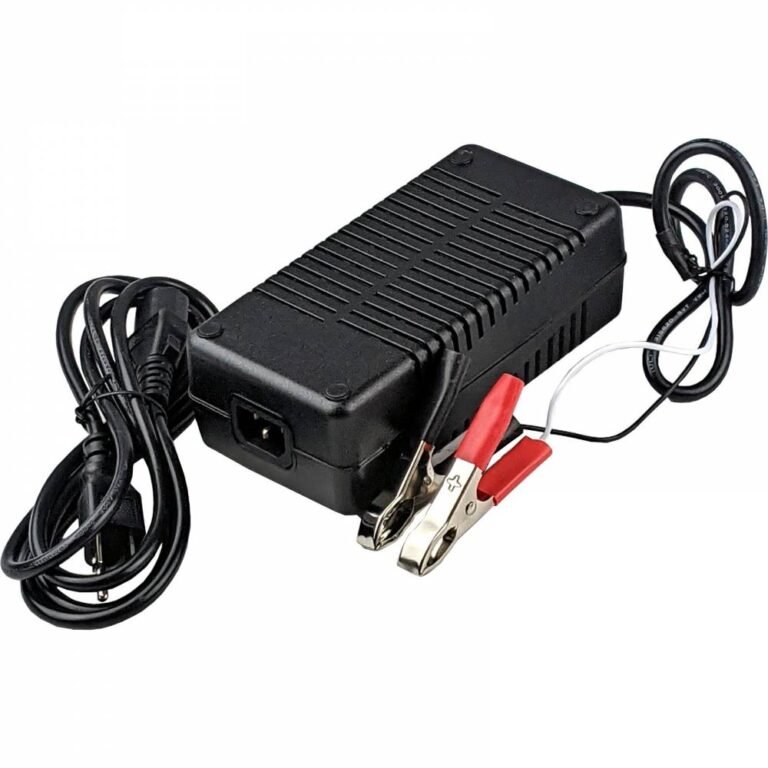
Sodium-ion batteries should be charged with a charger specifically designed for sodium-ion chemistry, using the manufacturer-specified voltage limits and current rates. Charging typically follows a constant-current/constant-voltage (CC-CV) profile, but at lower voltages than lithium-ion. Using lithium-ion chargers can cause overcharge, degradation, or safety issues because voltage thresholds are different.
How does the ionic radius of Sodium (Na+) affect charging speed?
The larger ionic radius of sodium ions (Na⁺) slows charging speed because Na⁺ diffuses more slowly through electrode materials than lithium ions.
This larger size causes higher diffusion resistance and greater structural strain during intercalation, limiting high-rate charge performance.
As a result, sodium-ion batteries typically support lower fast-charging currents unless specifically engineered with porous or hard-carbon electrodes.
Can sodium-ion batteries really be discharged to 0V?
Sodium-ion batteries can tolerate deeper discharge than lithium-ion batteries, and some designs allow discharge close to 0 V without immediate safety failure.
However, holding a cell at true 0 V for extended periods can still cause irreversible electrode damage, copper dissolution, and capacity loss.
In practice, manufacturers usually define a minimum safe cutoff voltage, so “0 V discharge” should be understood as short-term tolerance rather than a recommended operating condition.
How does temperature affect the discharge capacity of sodium batteries?
Temperature has a strong impact on the discharge capacity of sodium-ion batteries by changing ion mobility and internal resistance.
At low temperatures (below 0°C), slower Na⁺ diffusion and higher impedance reduce usable capacity, while moderate temperatures improve reaction kinetics and energy delivery.
At high temperatures (above 45°C), capacity may increase short-term but accelerates electrolyte degradation and cycle aging, limiting long-term performance.
Safety & Recycle
Can sodium ion batteries catch fire?
Sodium-ion batteries can catch fire, but the risk is generally lower than lithium-ion due to more thermally stable electrode materials and lower energy density. They are less prone to thermal runaway, which reduces the likelihood and intensity of fires. However, poor cell design, manufacturing defects, or severe abuse can still cause overheating or failure.
Can sodium-ion batteries be recycled?
Yes, sodium ion batteri can be recycled, and the process is generally simpler than lithium-ion because they contain no lithium, cobalt, or nickel. Recycling focuses on recovering aluminum, copper, carbon materials, and sodium compounds, reducing environmental impact.
Application & Sourcing
What are sodium ion batteries used for?
Batterie sodium-ion are mainly used for stationary energy storage, such as grid balancing, renewable energy storage, and backup power systems. Their low cost, abundant materials, and good low-temperature performance make them suitable for large-scale, cost-sensitive applications. They are also being explored for electric two-wheelers and low-speed vehicles, where weight and energy density are less critical.
Can I buy sodium-ion batteries for my home solar system yet?
Yes, sodium ion batteri can now be purchased for home solar systems, but availability is still limited and adoption is at an early stage.
Most products are offered in small volumes, often at higher prices, with fewer certified models and installers compared to lithium-ion systems.
As manufacturing scales and standards mature, sodium-ion batteries are expected to become more accessible for residential solar storage.
Who is manufacturer of sodium-ion batteries?
Major manufacturers of sodium-ion batteries include Contemporary Amperex Technology Co. Limited (CATL), which has commercialized sodium-ion cells under its Naxtra brand and plans mass production by 2026. Other companies actively developing and producing sodium-ion cells are Faradion Limited (UK), HiNa Battery Technology Co., Ltd. (China), AMTE Power (UK), Altris AB (Sweden), and Natron Energy (USA) with industrial and grid storage products.
Frequently Asked Questions
Most sodium-ion batteries do not use cobalt or nickel, typically relying on iron- or manganese-based cathodes, although some experimental layered oxide designs may include small amounts of nickel.
Sodium-ion batteries can be more environmentally friendly than lithium-ion in some cases because they use more abundant, lower-toxicity materials and avoid lithium and cobalt, though their overall impact still depends on energy density, lifespan, and manufacturing processes.
Yes—most sodium battery, specifically sodium-ion batteries, are rechargeable and designed for repeated charge–discharge cycles using appropriate battery management systems.
Charging a sodium-ion battery typically takes 1–4 hours, depending on cell design, capacity, and charging rate, as they support similar C-rates to lithium-ion but are often optimized for longer cycle life rather than ultra-fast charging.
Sodium-ion batteries are generally considered safe because they use non-flammable or less reactive materials than lithium-ion batteries and have lower thermal runaway risk, though safety still depends on cell design and proper battery management.
Sodium-ion batteries are unlikely to fully replace lithium-ion batteries, but they are expected to complement them in cost-sensitive and stationary energy storage applications where lower energy density is acceptable.
Sodium batteries generally perform better than lithium-ion batteries in cold weather, maintaining usable capacity at low temperatures due to favorable sodium-ion kinetics, though power output and efficiency still decline as temperatures drop.
Sodium-ion battery cost per kWh varies with production scale and application, with industry estimates typically around $50–90 per kWh at the cell level, though values can differ by report and are expected to decline as manufacturing scales up.
The main problems with sodium-ion batteries are lower energy density than lithium-ion, larger cell size and weight for the same capacity, and a technology ecosystem that is still less mature in terms of large-scale manufacturing and standardization.
Neither is likely to “win” outright: sodium-ion batteries are better suited for low-cost, large-scale energy storage, while solid-state batteries target high-energy, safety-critical applications, so they will serve different markets rather than replace each other.