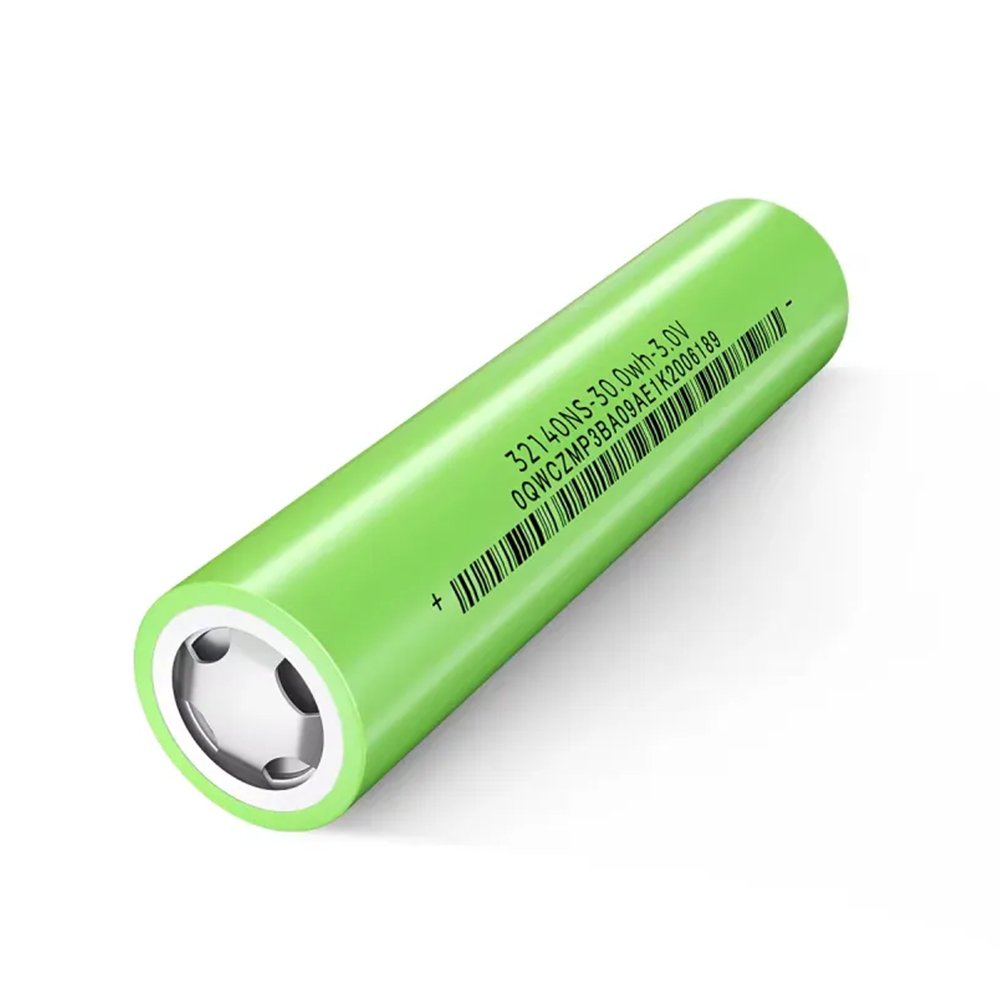
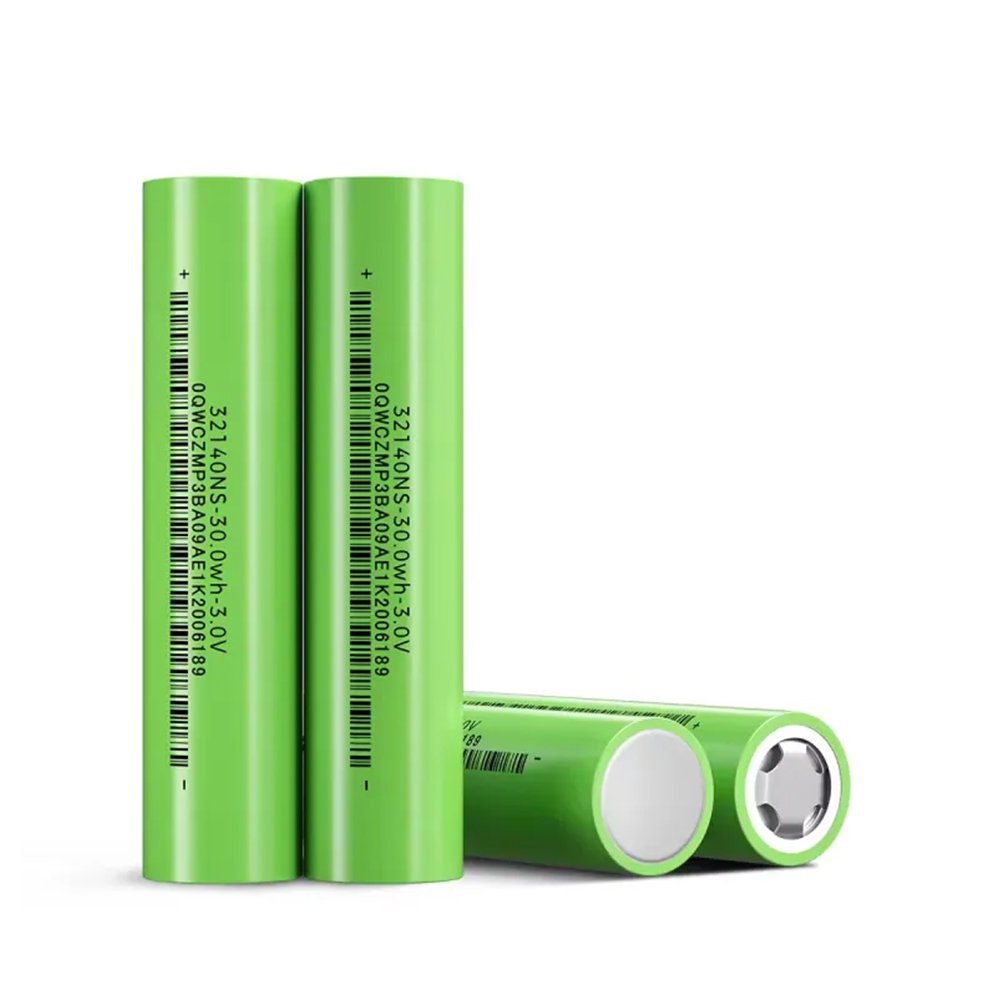
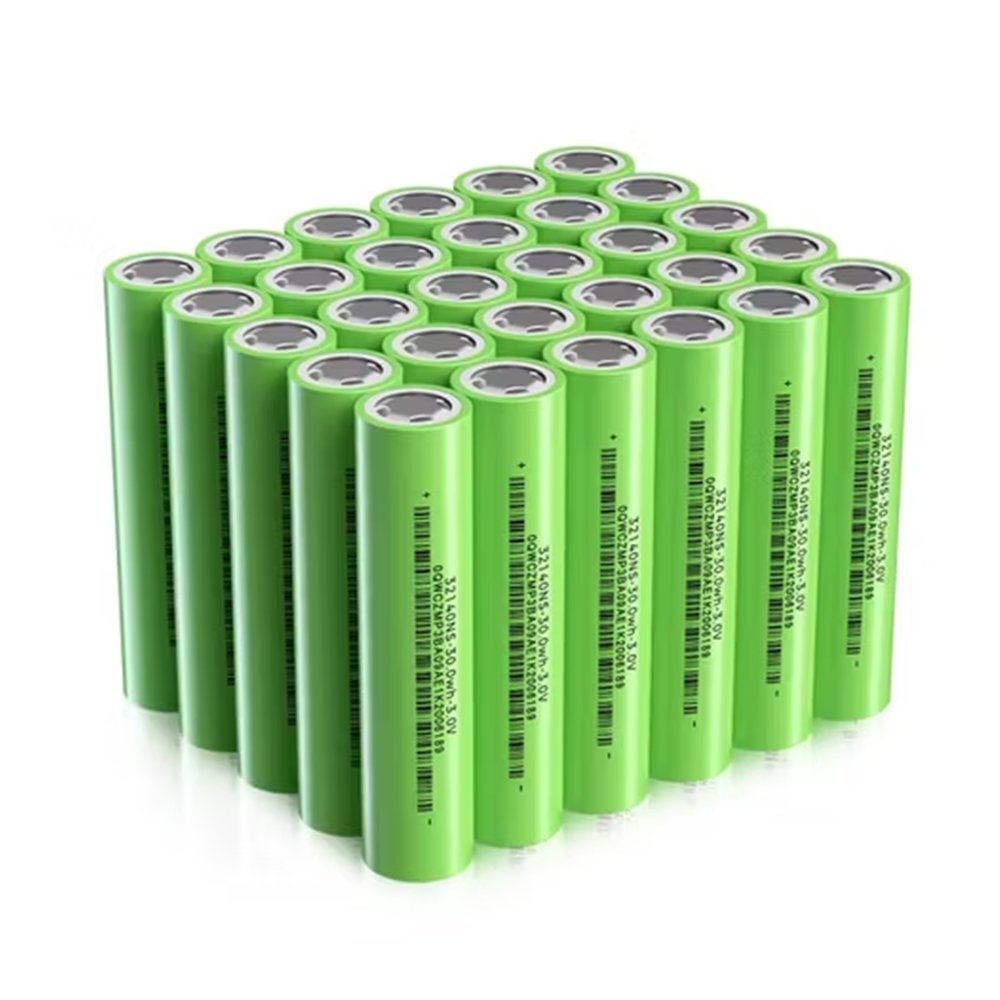

3V 32140 10Ah 3C Sodium Ion Battery Cell
Summary of 3V 32140 10Ah Sodium Ion Battery
The 3V 32140 10Ah sodium-ion battery cell is engineered for stationary and mobile energy storage systems that prioritize thermal safety, long cycle life, and reliable high-current discharge. Compared with lithium-ion chemistries, sodium-ion offers inherently higher thermal stability, improved low-temperature tolerance, and reduced thermal runaway risk. This cylindrical 32140 cell supports continuous 3C discharge, 10C pulse discharge, stable operation down to –30 °C, and over 4000 cycles while maintaining usable capacity above 8Ah.
32140 Cell Battery Technical Information
Model: 32140
Nominal Capacity: 10Ah
Nominal Voltage: 3.0V
Nominal Energy: 30Wh
Charge Voltage: 3.9V
Discharge Cut-off Voltage: 1.5V
Internal Resistance: ≤3.0mΩ
Dimension: Φ32*140mm
Energy Density: 111.11Wh/kg
Weight: 270g
Maximum Continuous Charging Current: 30A
Maximum Continuous Discharge Current: 30A
Maximum Continuous Pulse Current (30S): 100A
Cycle Life: >4000 times
Charge Temperature Range: 0°C to 70°C
Discharge Temperature Range: -30°C to 60°C
Storage Temperature: -20~45°C
Key Features – 32140 Battery Cell Batterie Sodium-ion
🔥 Thermal Stability and Safety Characteristics
One of the defining advantages of sodium-ion cells is high thermal stability. No lithium plating risk under low-temperature charging, lower exothermic reaction rate at elevated temperatures, and reduce probability of thermal runaway propagation. In factory abuse testing (overcharge, short-circuit, and thermal ramp scenarios), sodium-ion cells generally show less violent failure modes compared with conventional lithium-ion cells. This makes them especially suitable for large parallel energy storage arrays, where single-cell failure must not cascade.
Industry consensus: Sodium-ion cells are structurally safer under thermal and electrical stress than most lithium-ion chemistries.
⚡ High-Capacity Design for Energy Storage
The 10Ah capacity in a 32140 cylindrical format is optimized for energy storage rather than consumer electronics. Larger electrode surface area improves current distribution, lower internal resistance supports sustained discharge, and reduce depth-of-discharge stress during daily cycling. For ESS applications, usable capacity over time is more important than nominal capacity. This cell is designed to retain >8Ah after 4000 cycles under standard operating conditions, aligning with grid-scale and residential storage expectations.
🚀 High-Current Discharge Performance
This cell supports 3C continuous discharge and 10C pulse discharge, From an engineering perspective, this requires optimized current collector thickness, controlled electrode porosity and stable electrolyte formulation under high ionic flux. These characteristics allow the cell to handle inverter startup loads, power smoothing, and short-term peak demand without excessive voltage sag.
❄️ Low-Temperature Operation Down to –30 °C
Low-temperature performance is a known weakness of many lithium-ion cells. Sodium-ion chemistry mitigates this through lower desolvation energy of sodium ions, stable SEI formation on hard carbon anodes and reduce lithium-plating-type failure mechanisms. This 32140 sodium-ion cell maintains functional discharge capability at –30 °C, making it suitable for outdoor energy storage, telecom backup, and cold-region installations.
🔁 Cycle Life and Capacity Retention
The cell is engineered for 4000+ long cycle life, achieving 8Ah+ remaining capacity under standard cycling conditions. This is achieved through conservative voltage window design, low-stress electrode balancing and electrolyte stability over long-term cycling. For procurement teams, cycle life should be evaluated together with remaining usable capacity, not just end-of-life percentage.
⚠️ Commonly Overlooked Points & Misconceptions
🔍 What Buyers Often Miss
-
Sodium-ion cells are not drop-in replacements for lithium-ion without system-level voltage and BMS review
-
Energy density is lower, but system safety margins are higher
-
Low-temperature discharge ≠ low-temperature fast charging
❌ Common Misconceptions
-
“Lower energy density means inferior technology” → Incorrect for ESS use cases
-
“All sodium-ion cells perform the same” → Strongly dependent on electrode design and electrolyte formulation
-
“Cycle life alone defines quality” → Remaining capacity matters more
❓ FAQ – Frequently Asked Questions
Q1: Who is manufacturer of sodium-ion batteries
This 32140 3v battery cell is manufactured by Cestpower Battery, which is a professional sodium battery manufacturer in China.
Q2: Can I use a standard Lithium Iron Phosphate (LiFePO4) charger?
No. A standard LiFePO₄ charger is not recommended because sodium-ion cells have different voltage profiles and charging cut-off requirements.
Q3: How does it perform in extreme cold compared to LFP?
It performs better than LFP in extreme cold, maintaining usable discharge capacity at temperatures as low as –30 °C with less voltage drop. LFP cells typically suffer from sharp resistance increase and limited usable capacity below –20 °C, especially under load.
Q4: Does it require a specific BMS?
Yes. A BMS designed or configurable for sodium-ion chemistry is required to match its voltage window, charge profile, and protection thresholds.
Q5: How should I connect the cells—Spot Welding or Laser Welding?
Both methods are feasible, but laser welding is preferred for 32140 sodium-ion cells because it offers lower contact resistance and better consistency for high-current paths. Spot welding is acceptable for low to moderate currents, provided the weld parameters are carefully controlled to avoid localized overheating.
Related Battery
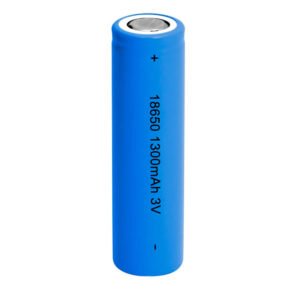
Sodium Ion Battery Cell 3V 18650 1300mAh
3V 26700 3500mAh Sodium-Ion Battery Cell
Customize 32140 Sodium Battery