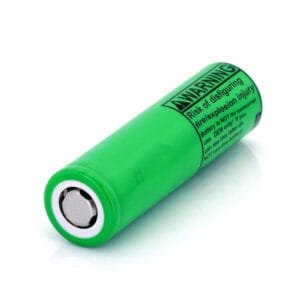
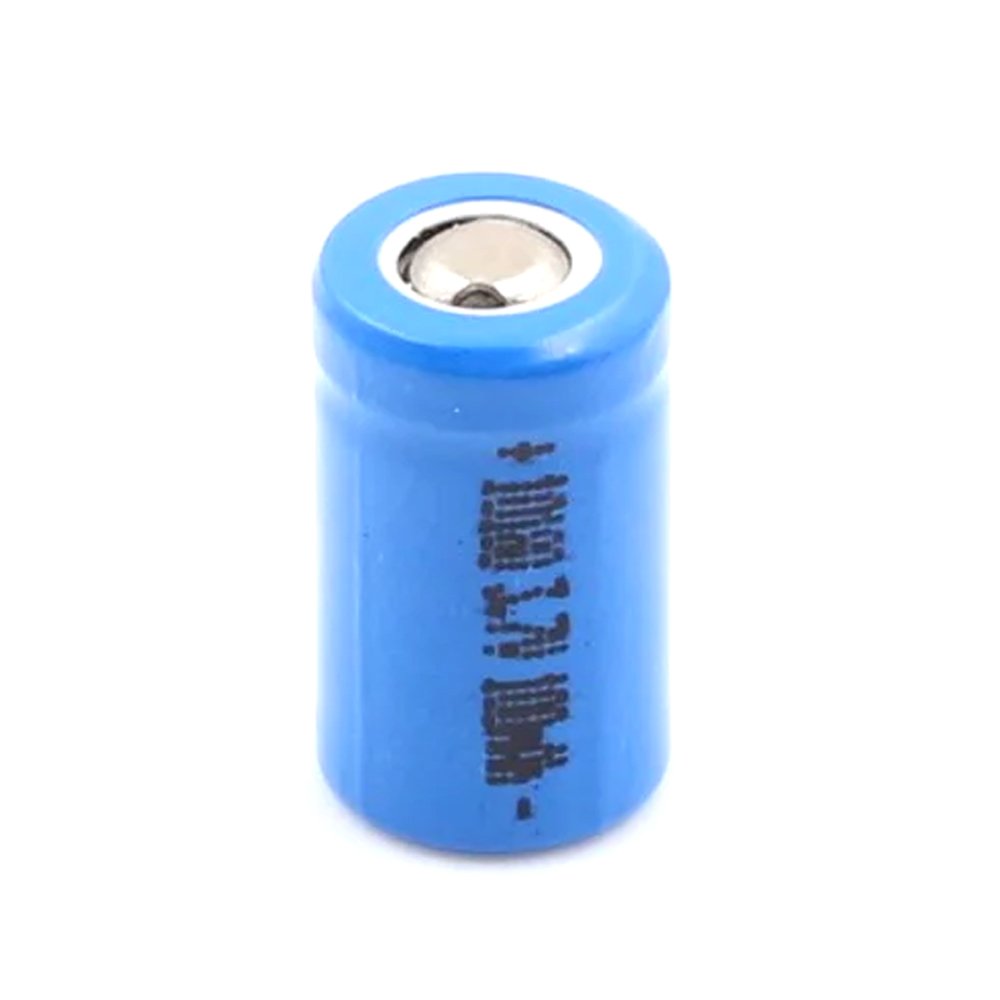
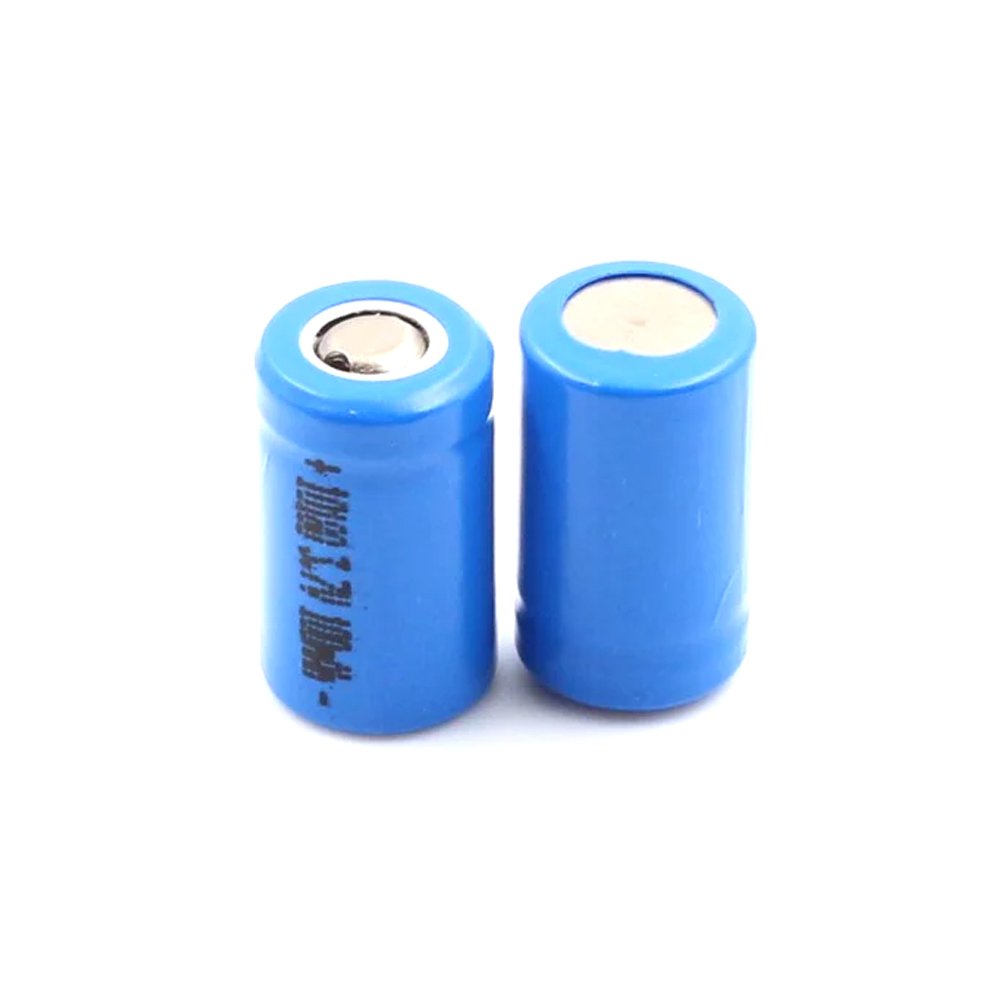
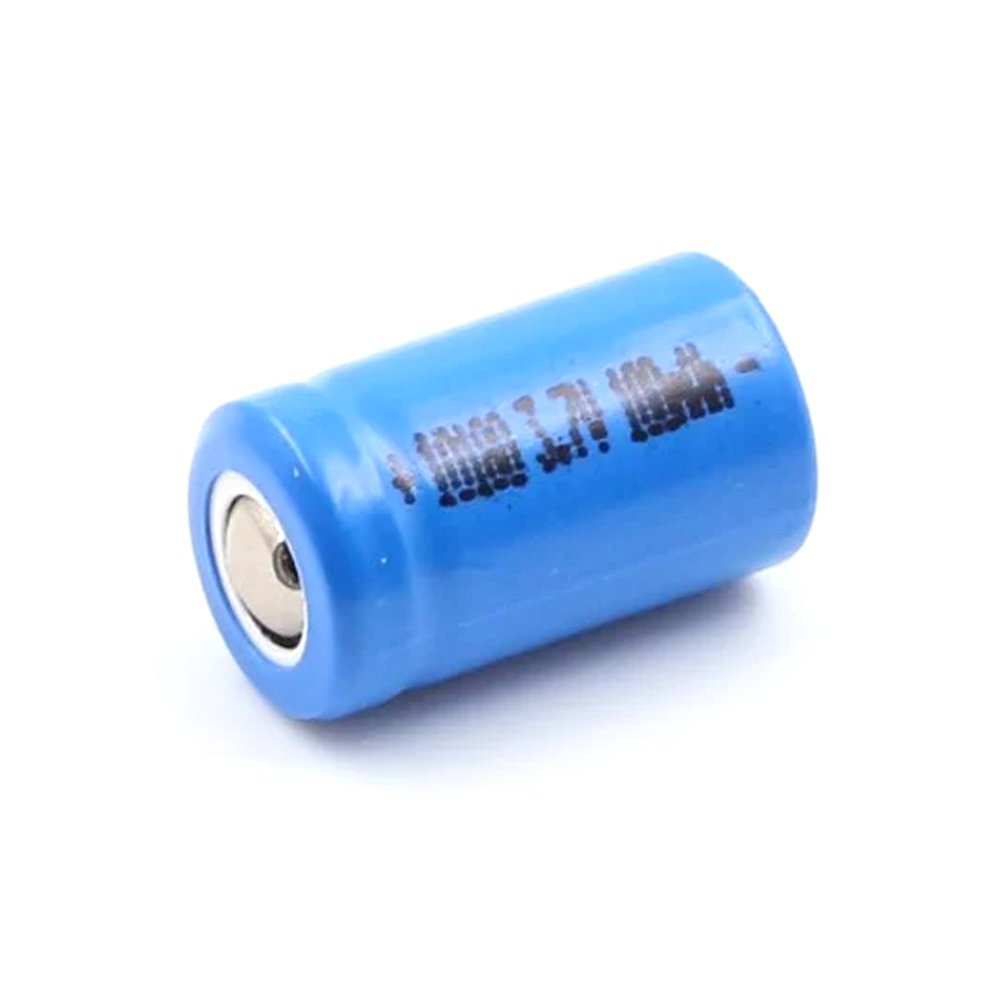

10180 100mAh 3C Li Ion Battery Rechargeable Cell 3.7V
Summary of 10180 100mAh 3C 3.7V Rechargeable Battery
The 10180 Li-ion battery is an ultra-compact 3.7V rechargeable cell delivering 100mAh capacity in a lightweight 10×18 mm form factor. With over 500 charge cycles, 3C discharge capability, and a wide operating temperature range, it provides reliable power for miniature and portable electronics. Certified to global safety standards, this cell is an efficient, eco-friendly alternative to disposable button batteries for applications such as mini flashlights, wearables, sensors, and compact electronic devices.
10180 Li Ion Battery Specification
Model: 10180
Rated capacity: 100mAh
Energy: 0.37Wh
Energy Density: 74Wh/kg
Minimum Capacity: 100mAh
Rated voltage: 3.7V
Discharge Cut-off Voltage: 2.75V
Charge Cut-off Voltage: 4.2V
Cycle Life: More than 500 cycles
Dimensions: Φ10*18mm
Weight: 5g
Internal Resistance: Less than 200mΩ
Standard Discharge Current: 0.2C (20mA)
Standard Charge Current: 0.2C (20mA)
Max Continuous Discharge Rate: 3C (300mA)
Max Continuous Charge Current: 1C (100mA)
Charging Temperature: 0 to 45℃;
Discharge Temperature: -20 to 65℃
Storage Temperature:
- -20℃~25℃: 12 months
- -20℃~45℃: 3 months
- -20℃~60 ℃: 1 month
Key Features – Rechargeable 3.7V Li-ion Battery
Ultra-Compact Size
Ideal for miniaturized designs without compromising functionality.
Rechargeable Chemistry
Long-term cost savings and reduced environmental waste compared to disposable coin cells.
High Energy Density
Despite its small size, the 10180 Li-ion battery cell offers significant power per gram.
3C Discharge Capability
10180 li-ion battery Enhances compatibility with devices needing short bursts of higher current.
Wide Operating Temperature
Performs well in both hot and cold environments (typically -20°C to 65°C).
Common Use Cases and Applications
The 10180 lithium battery is widely used in:
-
Miniature LED flashlights
-
Compact laser modules
-
Wearable electronics
-
Smart medical devices
-
Remote sensors
-
Bluetooth gadgets
Because of its size and rechargeable nature, it often replaces CR1025 or LR44 non-rechargeable button cells in custom electronic builds.
❓ FAQ – Frequently Asked Questions
Q1: Is it better to charge to 80% or 100%?
Q4: Which brand of battery has the longest lifespan?
Battery lifespan varies by chemistry, quality, and usage, but top brands like Panasonic, Samsung, LG, and Sony are known for consistently producing long-lasting lithium-ion cells. Cestpower also produce high quality battery cells with same lifespan with these well-known brand.