
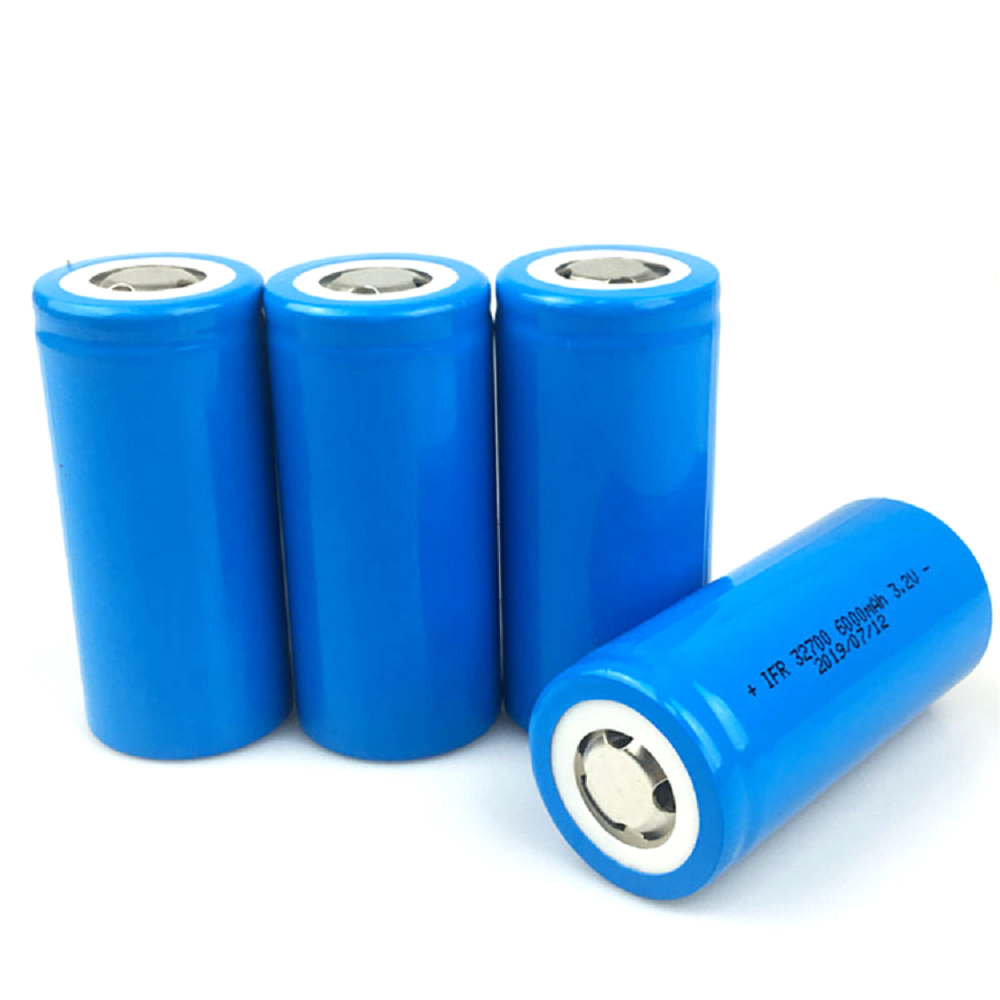
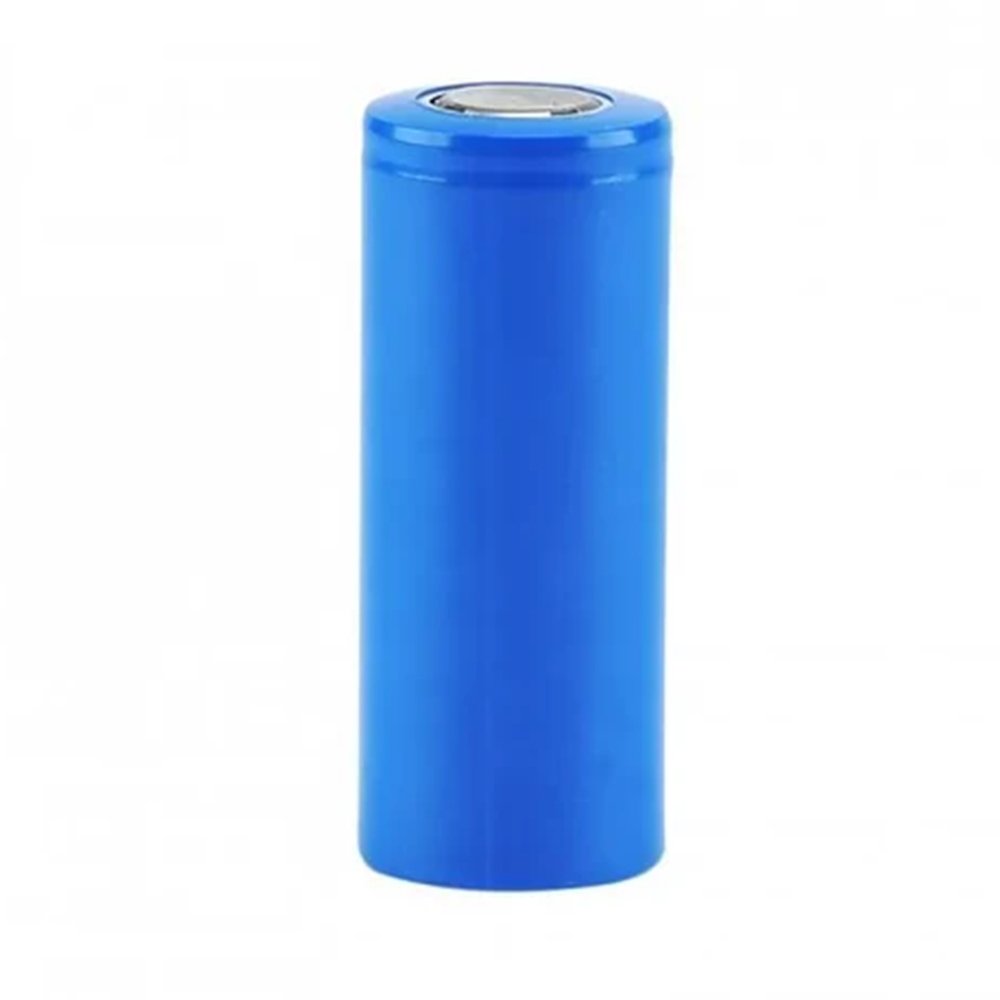
3.2V 32700 6000mAh 3C 20A LiFePo4 Battery Cell for Solar Light Energy Storage
Summary of 32700 6000mAh 3C 3.2V Rechargeable Battery
High-capacity LiFePO4 cylindrical cell engineered for long service life, thermal stability, and multi-string battery pack consistency. This 3.2V 32700 6000mAh 3C lithium iron phosphate battery cell is designed from a manufacturing and application-engineering perspective. It prioritizes safety, cycle life, low internal resistance, and pack-level reliability, making it suitable for solar lights, off-grid energy storage, and large parallel/series battery systems where consistency matters more than headline specs.
32700 6000mAh LiFePo4 3.2V Product Specification
Model: IFR32700
Rated Capacity: 6000mAh
Energy: 19.2Wh
Energy Density: 117.79Wh/kg
Minimum Capacity: 6000mAh
Rated Voltage: 3.2V
Discharge Cut-off Voltage: 2.5V
Charge Cut-off Voltage: 3.65V
Cycle Life: More than 4000 cycles
Dimensions: Φ32*70mm
Weight: 163g
Internal Resistance: Less than 10mΩ
Standard Discharge Current: 0.2C (1200mA)
Standard Charge Current: 0.2C (1200mA)
Max Continuous Discharge Rate: 3C (20A)
Max Continuous Charge Current: 0.5C (3A)
Charging Temperature: 0 to 45℃;
Discharge Temperature: -20 to 60℃
Storage Temperature:
- -20℃~25℃: 12 months
- -20℃~45℃: 3 months
- -20℃~60 ℃: 1 month
Key Features – 32700 Battery 6000mAh
🛡️ Safety Characteristics (Engineering-Driven)
Safety is not achieved by protection circuits alone—it starts at the cell.
-
High thermal tolerance compared with ternary lithium (NCM/NCA)
-
Stable cathode structure under high SOC and elevated temperature
-
Low gas generation rate during abuse or long-term cycling
-
Suitable for densely packed battery modules with limited airflow
⚡ Electrical Performance & Discharge Capability
The cell is designed not only for high capacity, but also for high drain, it allows continuous high current operation without excessive heating.
🌡️ Low Internal Resistance, Low Heat Generation
Internal resistance is a primary driver of efficiency loss and aging, as low DC internal resistance reduces I²R losses, leading to less heat accumulation during continuous discharge and improved efficiency.
🔄 Cycle Life & Capacity Retention
Up to 4000 cycles with remaining capacity ≥ 4800mAh. For stationary energy storage, cycle life matters more than nominal capacity, and LiFePO4 consistently outperforms ternary lithium in this metric.
🧩 Cell Consistency for Series & Parallel Packs
One of the most critical—and often overlooked factors in battery packs is cell-to-cell consistency. This cell is suitable for multi-series and multi-parallel battery packs. quality controls during manufacturing focus on cell match for capacity, internal resistance and voltage
☀️ Application Focus: Solar Light & Energy Storage
This cell is engineered for long-duration, daily cycling applications, including:
-
Solar street lights
-
Solar garden and pathway lights
-
Off-grid residential storage
-
Backup power modules
⚠️ Commonly Overlooked Points & Industry Misconceptions
🔍 What engineers see, but buyers often miss:
-
“Higher mAh” ≠ better system life if internal resistance and consistency are poor
-
C-rate ratings without thermal context are incomplete and misleading
-
Cycle life claims without remaining capacity thresholds lack engineering value
-
Mixing cells from different production batches accelerates imbalance in parallel packs
-
Ternary lithium cells degrade faster at high temperature, even if initial capacity looks attractive
Comparison and Selection Guidance for Common LiFePO4 Battery Cell
Model Name |
Nominal Capacity |
Diameter (±0.5mm) |
Length (±0.5mm) |
Weight (±5%) |
Max Charge Current |
Max Discharge Current |
Max Internal Resistance |
| 18650 | 2000mAh | 18mm | 65mm | 44g | 1A | 2A | 60mΩ |
| 21700 | 3000mAh | 21mm | 70mm | 76g | 1.5A | 3A | 50mΩ |
| 26650 | 4000mAh | 26mm | 65mm | 78g | 4A | 20A | 12mΩ |
| 26700 | 5000mAh | 26mm | 70mm | 95g | 2.5A | 25A | 16mΩ |
| 32700 | 6000mAh | 32mm | 70mm | 163g | 3A | 20A | 10mΩ |
| 33140 | 15000mAh | 33mm | 140mm | 270g | 7.5A | 45A | 10mΩ |
18650 LiFePO4 battery: Use only where space is critical and current is low
21700 LiFePO4 battery: Use where space or weight is limited
26650 LiFePO4 battery: Good for weight limit and high current.
26700 LiFePO4 battery: Suitable for tools and high-load modules
32700 LiFePO4 battery: Best balance of cycle life, heat, and consistency, good choice for solar energy storage.
33140 LiFePO4 battery: Use where size is not limited and requires more energy.
❓ FAQ – Frequently Asked Questions
Q1: What is the best voltage to charge a LiFePO4 battery?
Q2: What is the life cycle of a 32700 cell?
A: Cestpower 32700 LiFePO4 cell typically delivers 4000 deep charge–discharge cycles to about 80% of its original capacity.
Q3: What are the disadvantages of LiFePO4?
A: LiFePO4 batteries have lower energy density than ternary lithium chemistries, meaning larger size and weight for the same capacity. the performance at low temperatures is not good.
Q5: How to store LiFePO4 batteries in winter?
Related Battery
3.2V 26650 4000mAh 5C LiFePO4 Battery Cell
72V 20Ah LiFePo4 Battery Pack for Electric Scooter Wheelchair