How to Charge 18650 Battery?
Table of Contents
Quick Answer
To charge an 18650 lithium-ion battery safely, use a dedicated Li-ion charger that supports CC/CV (constant current/constant voltage) charging and stops at 4.2 V per cell. Insert the battery with correct polarity, charge at a current recommended by the manufacturer (commonly 0.5C or lower), and never exceed the rated voltage or current. Do not charge damaged, over-discharged, or unknown-origin 18650 batteries, and always charge them on a fire-resistant surface.
Introduction
What is an 18650 Battery?
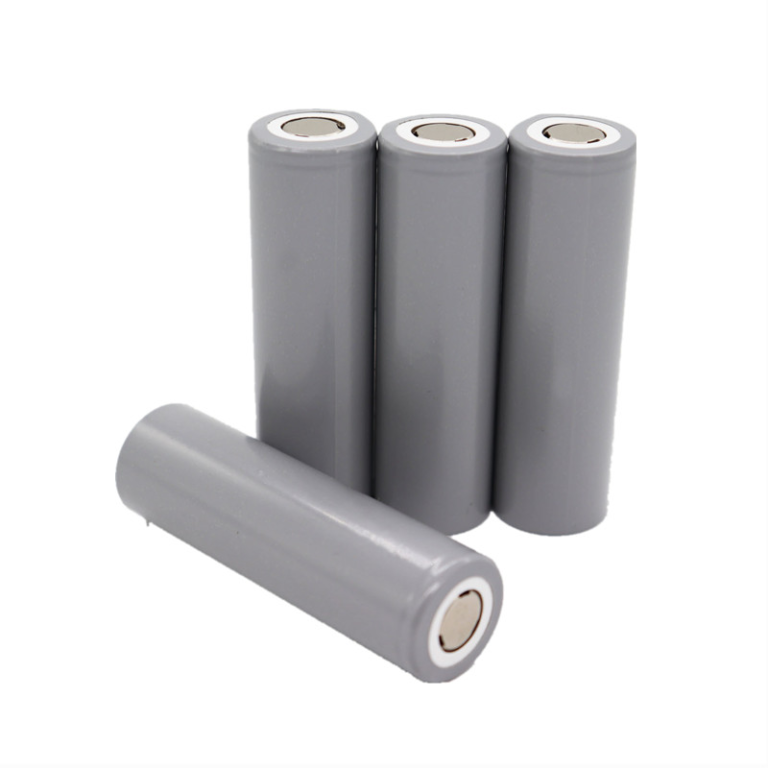
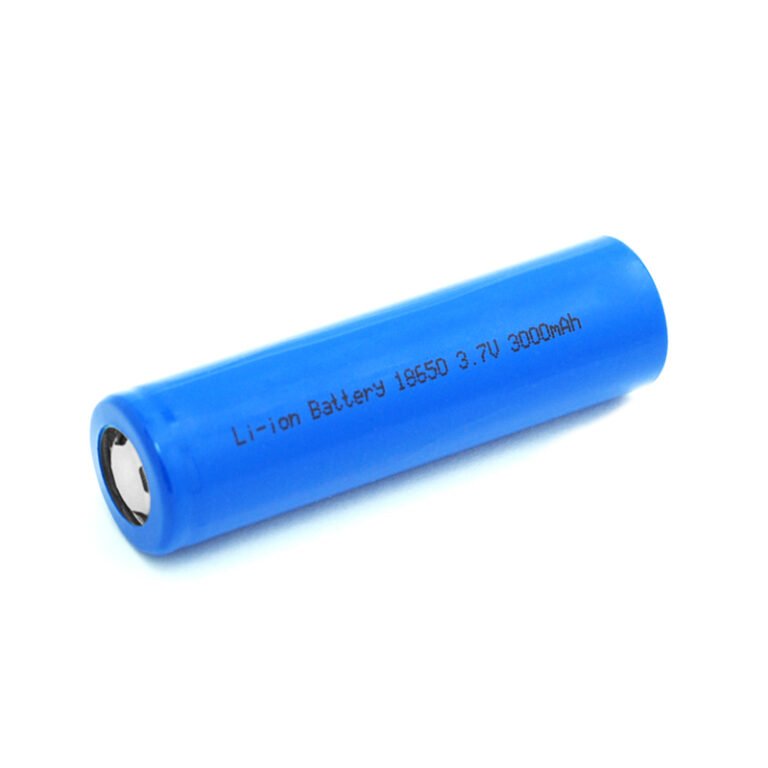
An 18650 battery is a cylindrical lithium-ion rechargeable battery measuring 18 mm in diameter and 65 mm in length, commonly rated at a nominal voltage of 3.6–3.7 V. It is widely used in laptops, power banks, electric vehicles, flashlights, and energy storage systems due to its high energy density and stable discharge performance. Capacity, chemistry (such as NMC or LFP variants), and safety features vary by manufacturer and model.
Chemistry Overview:
Lithium-ion (Li-ion) batteries store and release energy by moving lithium ions between a graphite anode and a metal-oxide cathode through an electrolyte during charge and discharge cycles. They typically operate at a nominal voltage of 3.6–3.7 V per cell, offering high energy density, low self-discharge, and no memory effect.
What devices use 18650 batteries?
18650 batteries are commonly used in laptops, power banks, electric vehicles, and cordless power tools because of their high energy density and reliable discharge characteristics. They are also widely found in high-performance flashlights, vaping devices, medical equipment, and DIY battery packs.
Essential Safety Precautions
Never Leave Charging Unattended: The “Golden Rule.”
The golden rule is to never leave an 18650 battery charging unattended, as overcharging, overheating, or charger failure can lead to thermal runaway. Always charge on a non-flammable surface and avoid charging damaged or unprotected cells.
Temperature Ranges
Keep the charging environment within the recommended temperature range of about 0 °C to 45 °C (32 °F to 113 °F). Charging below freezing can cause lithium plating, while high temperatures accelerate cell degradation and increase safety risk. Always allow the battery to return to room temperature before charging.
Physical Inspection
Before charging an 18650 lithium-ion battery, perform a physical inspection to check for torn or missing wraps, dents in the metal can, corrosion, or any signs of leaking electrolyte. Damaged insulation or a deformed cell can cause internal short circuits and increase the risk of overheating or fire during charging. Do not charge the battery if any physical damage is found; replace or recycle it properly.
Choosing the Right Charger
Dedicated Li-ion Chargers
To charge an 18650 battery safely, use a dedicated Li-ion charger designed for 3.6–3.7 V cells with proper CC/CV charging control. “Dumb” chargers that lack voltage regulation, current limiting, and automatic cutoff can overcharge an 18650 cell beyond 4.2 V, increasing the risk of overheating or thermal runaway. A quality Li-ion charger also monitors polarity and cell status, reducing common charging failures.
18650 Charger Key Features
When choosing an 18650 battery charger, prioritize built-in overcharge protection to ensure the cell is not charged beyond 4.2 V. Reverse polarity protection prevents damage or fire if the battery is inserted incorrectly, while short-circuit protection limits current during faults or internal failures. These safety features are essential for reliable 18650 lithium-ion charging and long-term battery health.
Smart VS Basic Chargers
When choosing an 18650 battery charger, smart chargers offer advantages such as independent multi-slot charging, LCD displays showing voltage and current, and basic charging status information. These features help users verify proper CC/CV charging and detect abnormal cells early. Basic chargers may work but provide limited feedback and less control over charging accuracy.
The Charging Process: Step-by-Step
Step 1: Orientation
To charge an 18650 battery correctly, identify the positive (+) terminal, usually marked by a raised button or ring, and the negative (−) terminal, which is flat. Insert the battery into the charger following the polarity indicators to ensure proper electrical contact. Incorrect orientation can trigger charger protection or cause short circuits in chargers without reverse polarity protection.
Step 2: Setting the Current (Amperage)
Setting the correct charging current is critical for safety and lifespan. Slow charging around 0.5 A generates less heat and generally extends battery cycle life, while fast charging at 2.0 A or higher reduces charging time but increases thermal stress and cell aging. The recommended amperage should always follow the battery manufacturer’s specifications.
Step 3: Monitoring
monitor the process using the charger’s LED indicators or LCD display. These indicators typically show charging status, cell voltage, and completion, helping confirm that the battery reaches the correct 4.2 V cutoff. Unusual readings, rapid temperature rise, or failure to terminate charging indicate a problem and require stopping the charge immediately.
Step 4: Completion
The charging process is complete once the cell reaches the target voltage of 4.2 V. At this point, a proper Li-ion charger will stop or sharply reduce current, indicating full charge. Remove the battery promptly after completion to minimize heat exposure and long-term cell stress.
Technical Specifications
Nominal Voltage: Usually 3.6V or 3.7V.
Maximum Charge Voltage: 4.2V ± 0.05V.
- Cut-off Voltage: Preventing over-discharge (usually 2.5V to 3.0V)
What is CC and CV charging?
lithium-ion chargers use a CC/CV charging method. In the constant current (CC) phase, the charger delivers a steady current to quickly raise the cell voltage, while in the constant voltage (CV) phase it holds the voltage at 4.2 V and gradually reduces current. This two-stage process ensures safe charging while protecting battery capacity and lifespan.
Maintenance and Storage Tips
What is the 80 20 rule for charging batteries?
The 80/20 rule for charging lithium-ion batteries recommends keeping the charge level between about 20% and 80% instead of regularly charging to 100% or fully discharging. This range reduces voltage stress and heat, which are key factors in battery aging. Applying the 80/20 rule can significantly extend the cycle life of 18650 and other Li-ion batteries.
Why 3.6V – 3.7V is the “sweet spot” for long-term storage?
For lithium-ion cells, including 18650 batteries, 3.6 V to 3.7 V is considered the ideal voltage range for long-term storage. At this level, the battery experiences minimal chemical stress compared to full charge (4.2 V) or deep discharge. Storing Li-ion batteries in this voltage range helps reduce capacity loss and extend overall service life.
How to fix damaged insulation?
To fix damaged 18650 battery insulation, replace the torn wrap with a proper heat-shrink battery sleeve and ensure the insulating ring on the positive terminal is intact. Only rewrap cells that are electrically normal and free from dents, corrosion, or leakage, since insulation repair does not fix internal damage. If the metal can is exposed near the positive end or the cell shows physical damage, do not reuse or charge the battery.
When should 18650 batteries be retired?
An 18650 lithium-ion battery should be retired when high internal resistance causes rapid voltage drop, excessive heat during use or charging, or significantly reduced capacity. Other end-of-life signs include slow charging, failure to reach 4.2 V, or triggering protection circuits under normal loads. Continuing to use a high-resistance cell increases safety risk and offers little usable energy.
Troubleshooting Common Issues
18650 Battery Won’t Charge
If an 18650 battery won’t charge and reads near 0 V, it may be deeply over-discharged or have a tripped protection circuit (PCB) that has cut off output. Protected cells can sometimes be recovered by using a charger designed to reset the PCB, while true 0 V cells without protection usually indicate internal failure. Do not attempt to force-charge a battery that remains at 0 V, as this significantly increases the risk of overheating or short circuit.
What to do if the battery feels hot to the touch?
Excessive heat is a warning sign that requires immediate action. Stop charging at once, remove the battery from the charger, and place it on a non-flammable surface away from combustible materials. Allow the cell to cool naturally and do not resume charging unless the cause—such as high charging current, poor ventilation, or a failing battery—is clearly identified.
Can you jumpstart a dead Li-ion?
Jumpstarting a dead lithium-ion battery is generally unsafe and not recommended. If a Li-ion cell reads 0 V due to internal failure, forcing current into it can cause overheating, internal short circuits, or thermal runaway. Only protected batteries with a tripped protection circuit may recover using a proper Li-ion charger designed to reset the cutoff, not manual jumpstarting.
Frequently Asked Questions
Most 18650 batteries are rechargeable lithium-ion cells, but some non-rechargeable lithium primary cells exist in similar sizes, so the label and chemistry must be checked before charging.
Yes, 18650 lithium-ion batteries require a dedicated Li-ion charger with proper voltage (typically 4.2 V per cell) and current control to charge safely and avoid overcharging or overheating.
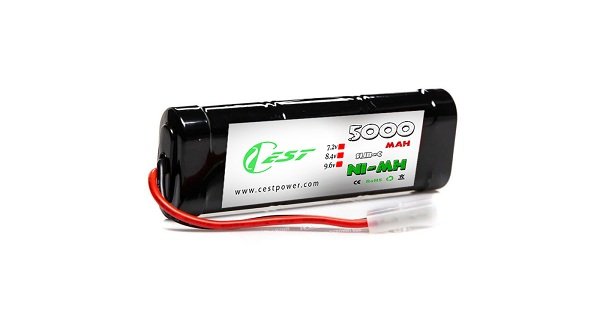
No, you cannot safely charge an 18650 battery with an AA charger because 18650 cells are lithium-ion batteries requiring precise 4.2 V charge control, while AA chargers are designed for NiMH or NiCd chemistries with different voltage and charging behavior.
18650 lithium-ion batteries should be charged when their voltage drops to around 3.3–3.5 V (about 20–30% capacity) and before they fall below the minimum safe voltage to reduce stress and extend battery life.
Fully charging an 18650 lithium-ion battery typically takes about 2–4 hours with a standard charger, depending on the battery’s capacity, charging current, and the charger’s charge-termination method.
A typical 18650 lithium-ion battery is rated for about 300–500 full charge cycles before its usable capacity drops to around 80%, depending on cell quality, depth of discharge, and operating temperature.
To charge 18650 batteries in series safely, use a charger designed for the total pack voltage together with a proper battery management system (BMS). A BMS provides cell balancing, overcharge protection, and prevents individual cells from exceeding 4.2 V. Never charge series-connected 18650 cells without balancing, as voltage imbalance can cause overcharging and serious safety risks.