What Is A Battery Pack?
The Comprehensive Guide in 2026
Table of Contents
Quick Answer
A battery pack is a complete energy storage system that combines multiple battery cells, a battery management system (BMS), and protective components to deliver the required voltage, capacity, and power safely and reliably for applications such as electric vehicles, energy storage, power tools, and electronics.
Introduction
Definition
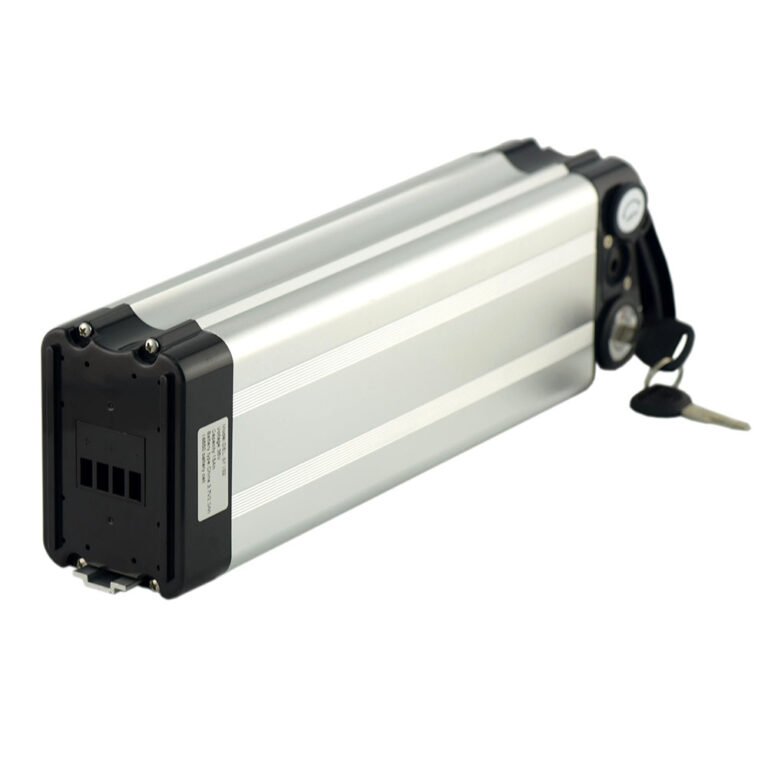
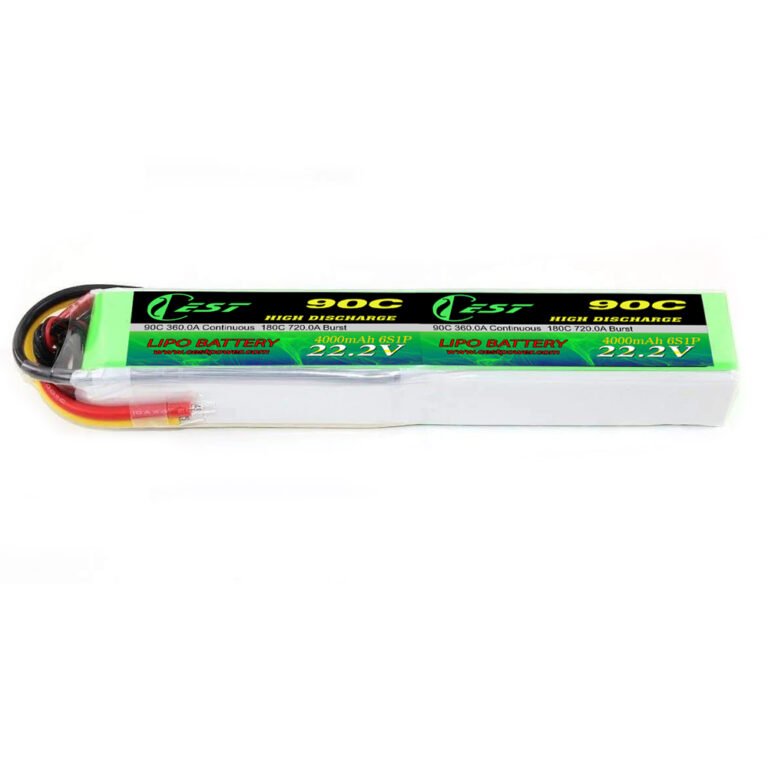
A battery pack is an energy storage unit made by electrically connecting multiple individual battery cells in series, parallel, or a combination of both to achieve a specific voltage, capacity, and power output.
It often includes additional components such as a battery management system (BMS), wiring, and protective housing to ensure safe and stable operation.
Battery packs are used when a single cell cannot meet the electrical or energy requirements of the application.
What is the purpose of a battery pack?
Battery packs are used instead of single cells because most applications require higher voltage, greater capacity, or higher power output than one cell can provide.
By combining cells, designers can scale energy and power to match system requirements while maintaining manageable current levels and efficiency.
Using packs also enables centralized monitoring, balancing, and protection through battery management systems, improving safety, reliability, and service life.
What is battery pack used for?
It is commonly used in electric vehicles, power tools, energy storage systems, medical equipment, and portable electronics.
By integrating multiple cells and protection circuits, a battery pack ensures safe, reliable, and scalable power for continuous operation.
Anatomy of a Battery Pack: Key Components
The Cells
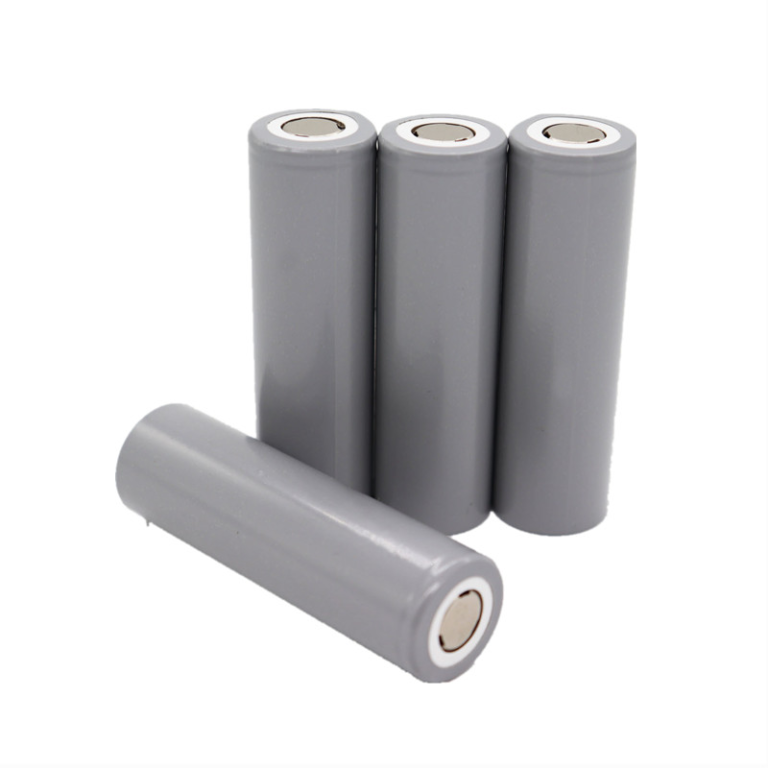
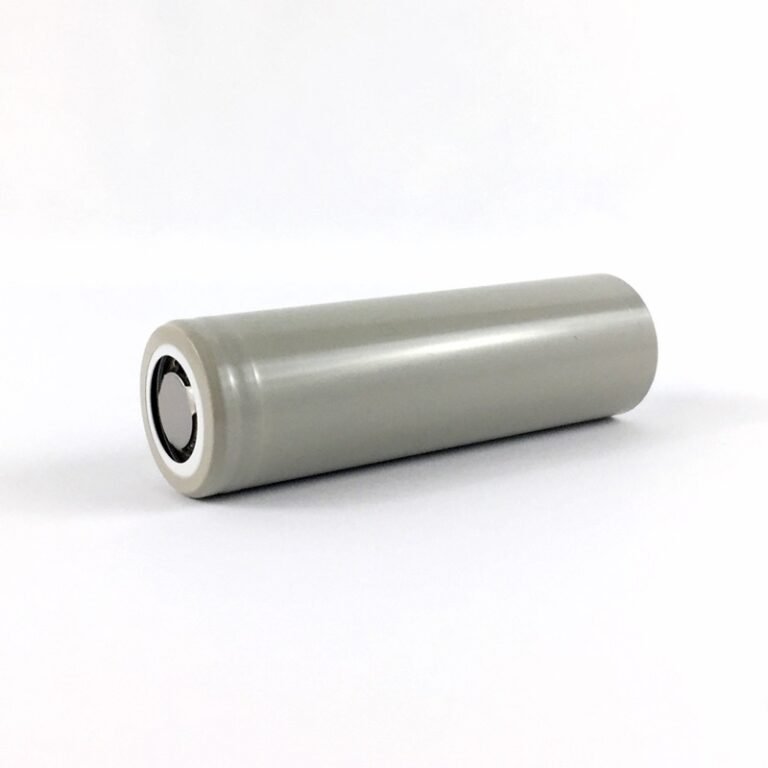
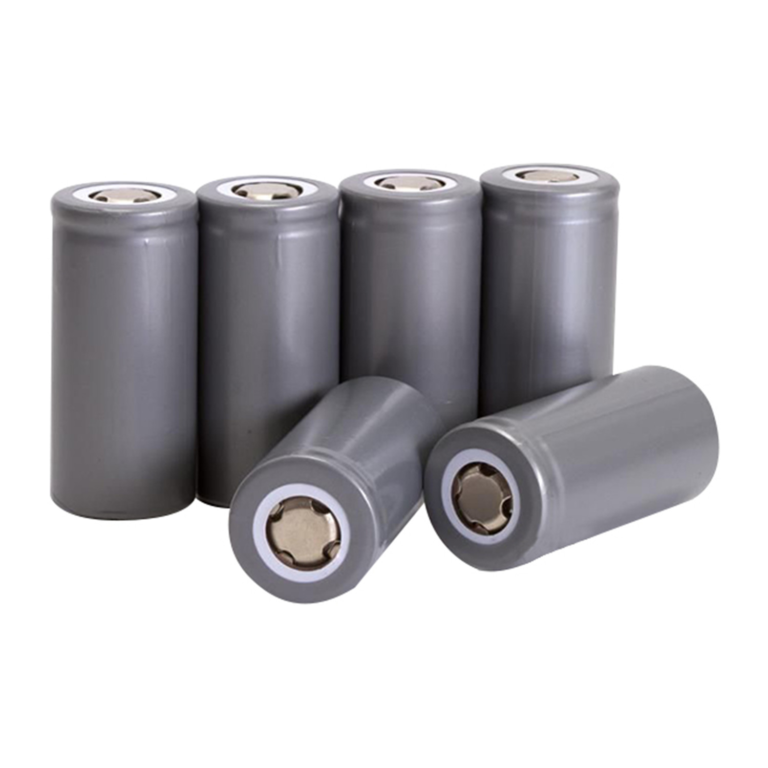
The core components of a battery pack are the battery cells, which act as the primary energy-storing building blocks.
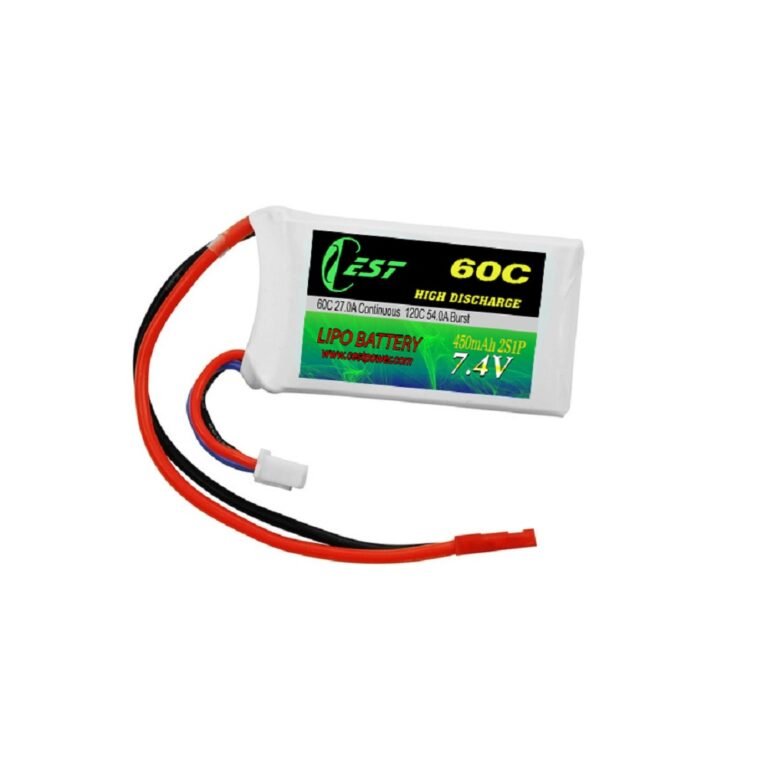
These cells are typically cylindrical, prismatic, or pouch types, each offering different trade-offs in energy density, thermal behavior, mechanical strength, and packaging efficiency.
Cells are selected and arranged based on the application’s power requirements, space constraints, and safety considerations.
The Battery Management System (BMS)
The Battery Management System (BMS) is a key component of a battery pack that monitors and controls cell voltage, current, and temperature.
It provides critical functions such as overcharge, overdischarge, overcurrent, and short-circuit protection, as well as cell balancing to maintain consistency across cells.
By managing operating limits, the BMS improves battery safety, performance, and usable lifespan.
Interconnects/Busbars
Interconnects and busbars are key battery pack components that physically and electrically link individual cells into a unified system.
They are typically made from copper, aluminum, or nickel to minimize electrical resistance while safely carrying high current between cells.
Proper interconnect and busbar design is critical for uniform current distribution, thermal control, and overall battery pack reliability.
Thermal Management System
The thermal management system in a battery pack controls cell temperature to maintain safe and efficient operation.
It uses air cooling for simpler, lower-cost applications or liquid cooling for higher power density systems that require more effective heat removal.
Proper thermal management reduces performance loss, slows battery degradation, and lowers the risk of overheating or thermal runaway.
Housing/Enclosure
The battery pack housing or enclosure provides mechanical protection for cells and internal components against impact, vibration, moisture, dust, and debris.
It is typically made from metal or reinforced polymers to balance structural strength, thermal performance, and weight.
A well-designed enclosure also improves safety by isolating cells, managing venting, and helping meet regulatory and environmental protection standards.
Battery terminals
Battery terminals are the electrical connection points that allow a battery pack to deliver power to external devices or charging systems.
They are designed to handle the pack’s rated current and voltage while minimizing contact resistance and heat generation.
Proper terminal design and insulation are essential for safe connections, reliable power transfer, and prevention of short circuits.
How do battery packs work?
Series vs Parallel Connections
In a battery pack, series connections increase total voltage by linking cells end to end, which is required to meet the operating voltage of many devices.
Parallel connections increase capacity and runtime by combining cells at the same voltage, allowing the pack to deliver more amp-hours and higher current.
Most battery packs use a combination of series and parallel configurations to balance voltage, capacity, power output, and safety.
Charging/Discharging Cycle
In a battery pack, charging stores energy as ions move within each battery cell from the cathode to the anode, while discharging releases energy as ions flow back in the opposite direction.
The ion movement mechanism is the same at the battery cell level, but a battery pack coordinates this process across many cells connected together.
A battery pack adds control and consistency through cell balancing and protection, ensuring all cells charge and discharge safely and uniformly.
Common Types of Battery Pack Chemistries
Lithium-Ion (Li-ion)
Lithium-ion battery packs are the most widely used chemistry due to their high energy density and efficient energy storage per unit weight.
They operate through reversible lithium-ion movement between electrodes, enabling high voltage, long cycle life, and fast response for many applications.
Li-ion battery packs are commonly used in power tools, consumer electronics, and energy storage systems where compact size and performance are critical.
Lithium Iron Phosphate (LiFePO4)
Lithium Iron Phosphate (LiFePO₄) battery packs are known for their strong thermal stability, high safety margins, and long cycle life.
Compared with other lithium-ion chemistries, LiFePO₄ offers lower energy density but greater resistance to overheating and thermal runaway.
These battery packs are commonly used in applications where safety, durability, and frequent charge–discharge cycles are more important than compact size.
Lead-Acid
Lead-acid battery packs are a mature and widely used chemistry, valued for reliability, low cost, and well-understood performance characteristics.
Sealed lead-acid (SLA) packs are commonly used in uninterruptible power supplies (UPS), backup power systems, and emergency lighting due to their stable float-charging behavior.
Although they have lower energy density and shorter cycle life than lithium chemistries, lead-acid battery packs remain practical for stationary and standby applications.
Nickel-metal hydride (NiMH)
Nickel-metal hydride (NiMH) battery packs are rechargeable systems known for moderate energy density and good tolerance to overcharge.
They use a hydrogen-absorbing alloy anode and a nickel oxyhydroxide cathode, making them more environmentally friendly than older NiCd packs.
NiMH battery packs are commonly used in consumer electronics, medical devices, and hybrid vehicles where reliability and safety are prioritized over compact size.
Sodium ion battery
Sodium-ion battery packs use sodium ions instead of lithium ions to store and release electrical energy.
They offer advantages such as improved material availability, lower cost potential, and better low-temperature performance compared with some lithium-ion chemistries.
Sodium-ion battery packs are being adopted in stationary energy storage and cost-sensitive applications where energy density is less critical.
Disposable battery
Disposable battery packs use primary (non-rechargeable) chemistries that generate electricity through one-time electrochemical reactions.
Common types include alkaline, lithium primary, and zinc-carbon batteries, which are used in low-drain or long-shelf-life applications such as remote controls, sensors, and emergency devices.
Because they cannot be recharged, proper disposal or recycling is important to reduce environmental impact and comply with local regulations.
Major Applications
Consumer Electronics
In consumer electronics, battery packs provide portable and high-density power for devices such as laptops, power tools, and drones.
These applications require battery packs that can deliver stable voltage, high discharge rates, and reliable cycle life under frequent use.
Compact design, efficient thermal management, and safety controls are critical to ensure consistent performance in everyday consumer devices.
Electric Vehicles (EVs)
In electric vehicles (EVs), battery packs supply high-voltage energy required to power electric motors and onboard systems.
These EV battery packs are designed for high energy capacity, rapid power delivery, and precise thermal and safety management under demanding driving conditions.
Manufacturers such as Tesla and BYD use large-scale battery packs to enable long driving range, efficiency, and consistent performance.
Energy Storage Systems (ESS)
In energy storage systems (ESS), battery packs store electricity for later use in residential, commercial, and grid-scale applications.
They are commonly used in solar backup systems to balance energy generation and consumption, and in grid storage to stabilize power supply.
ESS battery packs are designed for long cycle life, high efficiency, and safe operation over extended charge–discharge periods.
Medical & Industrial
In medical and industrial fields, battery packs provide reliable portable power for equipment such as oxygen concentrators and automated guided vehicles (AGVs).
These applications require stable voltage, predictable runtime, and high safety standards to support continuous or mission-critical operation.
Battery packs used in medical and industrial systems are designed for durability, controlled discharge, and compliance with strict regulatory requirements.
Key Specifications to Look For
Capacity
Battery pack capacity indicates how much energy the pack can store and deliver, and it is commonly measured in amp-hours (Ah) or watt-hours (Wh).
Amp-hours describe how much current a battery can supply over time, while watt-hours account for both capacity and voltage, making Wh a more accurate measure of total energy.
Understanding capacity helps determine expected runtime and suitability for specific power demands.
Voltage
Battery pack voltage defines the electrical potential supplied to a device and is specified as nominal voltage and peak voltage.
Nominal voltage represents the average operating level during normal use, while peak voltage refers to the maximum voltage when the battery is fully charged.
Understanding both values is essential to ensure compatibility with equipment and to avoid overvoltage or performance issues.
C-Rating
The C-rating of a battery pack indicates how fast it can be safely charged or discharged relative to its capacity.
A higher C-rating means the battery can deliver or accept more current in a shorter time without exceeding thermal or safety limits.
Understanding the C-rating helps ensure the battery pack matches the power and charging requirements of the application.
Cycle Life
Cycle life refers to the number of complete charge–discharge cycles a battery pack can undergo before its capacity significantly degrades.
It is typically defined by the point at which usable capacity drops to a specified percentage, often around 70–80% of the original value.
Understanding cycle life helps predict long-term performance, replacement intervals, and total cost of ownership.
Safety and Maintenance
Protection Circuits
Protection circuits are essential safety components in a battery pack that prevent overcharge, over-discharge, overcurrent, and short circuits.
They continuously monitor voltage, current, and temperature to keep the battery operating within safe limits.
Effective protection circuits reduce the risk of cell damage, overheating, and premature battery failure.
Storage Tips
Proper battery pack storage helps reduce aging and capacity loss during long periods of inactivity.
Most battery packs should be stored in a cool, dry environment, typically around 15–25 °C, with a partial state of charge of about 40–60%.
Avoid storing batteries fully charged or fully depleted, as extreme states of charge accelerate degradation.
Signs of Failure
Common signs of battery pack failure include physical swelling, excessive heat during use or charging, and a sudden or rapid drop in usable capacity.
These symptoms often indicate internal cell damage, imbalance, or degradation that can compromise safety and performance.
A battery pack showing these signs should be removed from service and inspected or replaced to prevent further risk.
The Future: Trends in Battery Pack Tech
Solid-State Batteries
Solid-state battery packs replace liquid electrolytes with solid materials to improve energy density and reduce fire risk.
This design can enhance thermal stability and enable more compact battery pack architectures compared with conventional lithium-ion systems.
While still under development, solid-state technology is being researched for applications where safety and higher energy density are critical.
Sustainability
Sustainability in battery pack technology focuses on improving recycling processes to recover valuable materials such as lithium, nickel, and copper.
Second-life battery packs repurpose used batteries with reduced capacity for less demanding applications like stationary energy storage.
These approaches help reduce waste, extend battery value, and lower the environmental impact of large-scale battery deployment.
Fast Charging
Fast charging in battery pack technology relies on new cell designs, advanced thermal management, and higher-voltage architectures to safely increase charging power.
Improved battery management systems coordinate current distribution and temperature control to reduce stress on individual cells.
These developments aim to shorten charging times while limiting degradation and maintaining long-term battery safety.
Conclusion
The battery pack serves as the core energy source that enables modern portable, electric, and automated technologies.
By integrating cells, control electronics, and safety systems, it delivers reliable power tailored to each application’s requirements.
As technology advances, battery packs will continue to shape performance, efficiency, and sustainability across industries.
How to choose the right battery pack?
Choosing the right battery pack requires matching voltage, capacity, chemistry, and safety features to the specific demands of the application.
Factors such as operating environment, cycle life, and charging requirements directly affect performance and longevity.
A well-selected battery pack improves reliability, efficiency, and long-term value without compromising safety. Learn about custom battery pack
Frequently Asked Questions
When buying a battery pack, consider capacity and voltage compatibility, battery chemistry, discharge rate, safety features like a BMS, cycle life, operating temperature range, and compliance with relevant safety standards.
To work out what size battery you need, calculate your device’s energy demand (power × runtime), then choose a battery with sufficient capacity, voltage, and discharge capability plus a safety margin.
A 10 amp charger will take about 10 hours to charge a 100 Ah battery in ideal conditions, but real charging time is usually longer due to efficiency losses and charging taper near full capacity.
Using a battery pack without a BMS is unsafe because the BMS is essential to control cell voltage, current, and temperature, preventing damage, reduced lifespan, and serious safety risks.
To calculate the capacity of a battery pack, multiply the capacity of one cell by the number of cells in parallel, while series connections increase voltage but do not change amp-hour capacity.
No, mixing different types or brands of cells in one battery pack is unsafe because differences in capacity, internal resistance, and aging can cause imbalance, overheating, and premature failure.
A battery pack loses capacity over time due to normal cell aging from charge–discharge cycles, heat exposure, high C-rate use, overcharging or deep discharging, and gradual chemical degradation inside the cells.
Batteries connected in parallel ideally drain equally, but in practice differences in internal resistance, capacity, temperature, and aging cause uneven current sharing.
A battery pack can catch fire due to thermal runaway triggered by overcharging, internal short circuits, physical damage, manufacturing defects, high temperatures, or BMS failure that allows unsafe voltage or current conditions.
The best way to store a battery pack long-term is at a partial charge (typically around 40–60%), in a cool, dry place, with periodic checks to prevent over-discharge and cell imbalance.
Yes, lithium-ion battery packs are recyclable, as valuable materials like lithium, cobalt, nickel, and copper can be recovered through specialized recycling processes, though availability depends on local recycling infrastructure.